Hey everyone, Sarah here, and welcome back to the blog. Today, I’m diving into a topic that comes up all the time with our clients—especially manufacturers, food processing teams, and folks working in water treatment. You’ve probably heard me mention synthetic alkali powder (SAP) a hundred times in passing, but when it comes to rules for actually using it, there’s way more to it than just “mix it in and go.” As a supplier of SAP, I don’t just sell the product and wash my hands of it—regulations are non-negotiable here, and skipping them can lead to big headaches (like fines, safety issues, or even product recalls). Let’s break this down like we’re chatting over coffee, no stuffy jargon, I promise. Synthetic Alkali Powder

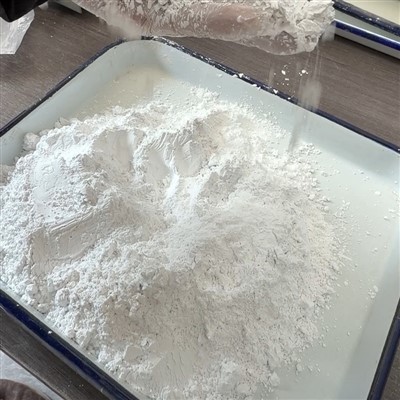
First, let’s get a quick recap out of the way: synthetic alkali powder is basically a concentrated, dry form of alkali—think sodium hydroxide or potassium hydroxide, but processed to be more stable and less messy than liquid lye. We use it for so much: adjusting pH in industrial processes, cleaning equipment, even as a food additive (for things like chocolate or cocoa processing, weirdly enough). But why do regulations matter so much? Alkalis are corrosive, right? If you handle them wrong, they can burn skin, damage eyes, or react badly with other chemicals. And since SAP is super concentrated, the risks are amplified if you don’t follow the rules.
Now, the big question: what are the actual regulations? Let’s split this into two main buckets—global baseline rules, and region-specific ones, because that’s where a lot of people mix up. The base stuff from groups like OSHA (for US folks), REACH (EU), and FDA (US food-grade) applies to every single use, no matter where you’re based. OSHA’s Hazard Communication Standard (HCS) is non-negotiable here. That means if you’re using SAP at your facility, you must have a Safety Data Sheet (SDS) on hand, and all your workers have to read it. The SDS tells you exactly what’s in the SAP, the risks, how to store it, and what to do if someone gets exposed. A lot of small teams skip this—don’t be that person. Last year, we had a client in a small metal finishing shop get cited $15k because their SDS was expired and no one knew how to safely mix the SAP. Ouch.
Then there’s EU’s REACH, which stands for Registration, Evaluation, Authorization, and Restriction of Chemicals. If you’re in the EU, or shipping SAP there, you need to make sure it’s registered with ECHA (the European Chemicals Agency). Also, REACH restricts how much certain impurities can be in SAP—things like heavy metals, because if you’re using it in food, those contaminants can end up in products. For example, food-grade SAP in the EU can’t have more than 2 mg/kg of lead. That’s a small number, but it’s strict, and we test every batch before it leaves our warehouse to make sure we’re hitting that mark. For non-food industrial use, REACH sets limits on volatile organic compounds (VOCs) too, which ties into environmental regulations—you don’t want SAP dust or runoff messing with local water systems, right?
Speaking of food use, the FDA in the US has its own rules. If your SAP is labeled as food-grade, it has to meet FDA’s Food Chemicals Codex (FCC) standards. That means no weird additives, no cross-contamination with industrial-grade stock, and strict purity tests. A lot of people try to cut corners by using industrial SAP for food, but that’s a huge no-no. We get so many requests from food startups trying to save money, and we always have to push back—FDA audits can shut a business down fast. Last month, a craft chocolate manufacturer tried to buy our industrial SAP for cocoa processing; we had to explain that even though alkali is used for that, the industrial version has lye residue that’s too high for food. They ended up switching to our FCC-grade, and they’re way happier now that they passed their first audit.
Now, storage regulations—this is another area that trips people up. You can’t just pile SAP bags in a random closet, trust me. OSHA says storage areas have to be dry, because SAP absorbs moisture and can start reacting, even solidifying into a corrosive paste. Also, it has to be stored away from acids—like hydrochloric acid or vinegar—because mixing alkali and acid creates heat, which can cause fires or explosions if you’re not careful. We always include a storage guide with every order, but if you lose it, here’s the gist: keep it in a sealed, original bag or a metal bin, label it clearly (not just “chemical”—specifically “synthetic alkali powder, corrosive”), and store it at least 10 feet away from any acidic materials. For outdoor storage, make sure it’s under a covered area so rain doesn’t get in. We had a client in Texas a couple years ago leave SAP on a uncovered pallet during a rainstorm; the bags got ruined, leaked, and ate through a wooden pallet before they could clean it up. They had to dispose of the whole batch at a hazardous waste facility, which cost them way more than just storing it properly.
Then there’s handling and personal protective equipment (PPE). This is basic, but worth repeating. OSHA requires that anyone handling SAP has to wear at least goggles, nitrile gloves (not latex—latex can break down with alkali), and a face shield if they’re mixing large batches. Skin contact with SAP can cause a chemical burn that’s way worse than a regular soap burn—we’ve had a few clients’ workers come in with minor burns because they skipped gloves. Also, if you’re working in a space where SAP dust is floating (like when you’re pouring it into a mixer), you need a respirator to prevent inhaling the powder, which can damage lungs. A lot of people think “it’s just dust, no big deal,” but long-term exposure can lead to chronic respiratory issues. We sell PPE as an add-on for that exact reason—we’d rather our clients stay safe than have to deal with workers’ comp claims.
Environmental regulations are another big one, especially if you’re disposing of SAP waste or rinsing equipment that had SAP in it. In the US, the EPA regulates industrial discharge, so you can’t just pour SAP down the drain—even small amounts can throw off the pH of water systems, which kills fish and messes with local wastewater treatment. The same goes for EU: ECHA’s waste rules say SAP has to be neutralized before disposal, or sent to a licensed hazardous waste facility. Neutralizing means mixing it with a weak acid (like vinegar or citric acid) until the pH is between 6 and 8, which is safe for water. We tell all our clients to keep a bucket of citric acid on hand for emergency neutralization—way cheaper than paying for a waste hauler to come pick up small batches.
Wait, let’s talk about labeling rules too. If you’re reselling SAP, or even just using it in your own facility for work that involves other teams, the packaging has to be clearly labeled. The GHS (Globally Harmonized System) is used in most countries, so labels need to have a hazard symbol (the corrosive one, which is a test tube dripping on a hand and metal), a signal word (like “DANGER”), and hazard statements (“Causes severe skin burns and eye damage”). A lot of generic SAP bags skip the GHS label, which is a violation—inspectors will check that. We make sure every bag we ship has a full GHS label, so our clients don’t have to hassle with re-labeling themselves.
Now, what about exceptions? Are there any cases where rules are relaxed? Not really, but there are specific use cases that have their own small rules. For example, swimming pool chemicals: synthetic alkali powder used to adjust pool pH has its own set of rules from the CDC, because it’s handled by homeowners and not just industrial workers. Homeowners don’t need a SDS, but they do need to follow the mixing ratios on the label, and not mix with other pool chemicals (like chlorine). We’ve had so many pool owners call us saying they mixed SAP and chlorine, and they almost burned their skin—so always remind people to check the pool-specific rules if that’s what you’re using it for.
Also, let’s touch on recent changes. A lot of regulations updated in the last few years to focus more on supply chain transparency, especially for food-grade SAP. The FDA now requires that SAP manufacturers (that’s us) keep records of every batch’s purity, so you can trace back a product if there’s a problem. That’s why we have a full batch tracking system—every order has a unique number, so if a client finds an issue with their SAP, we can pull exactly where it was made, what tests it passed, and even who supplied the raw materials. It’s a little extra work for us, but it’s way better for our clients and for following the rules.
Now, I know all this can feel overwhelming, especially if you’re a small business owner who’s juggling a million things. That’s where we come in. As your SAP supplier, we don’t just hand over a pallet and a receipt—we’re here to help you navigate all these regulations. We can send you updated SDS sheets when rules change, give you storage and handling guides tailored to your specific use, and even help you with batch testing if you’re dealing with food or pharmaceutical grade. We work with everything from small craft bakeries to large automotive manufacturers, so we know the ins and outs of what’s required for every industry.
Wait, let’s address a common myth: some people think that “natural alkali powder” is the same as synthetic, so rules are different. No—natural (like lye from wood ash) is still alkali, and it has its own rules too, but synthetic is more concentrated, so regulations are actually stricter for it. That’s a question we get all the time, so it’s good to clear that up.
Another tip: if you’re unsure about a regulation, don’t guess. Look up the agency that covers your industry. For US food work, that’s FDA; for industrial work, OSHA; for EU, ECHA. Or just hit us up—we’re always happy to point you in the right direction. We don’t know every single niche rule, but we know where to find it, and we can share what other clients in your industry are doing to stay compliant.
Let me wrap this up: using synthetic alkali powder isn’t just about getting the job done—it’s about following the rules to keep your workers safe, comply with local laws, and protect the environment. The key points to remember: get a valid SDS, store it correctly, use PPE, neutralize waste, label it properly, and work with a supplier that’s up to date on all regulations.
If you’re in the market for synthetic alkali powder, whether it’s industrial-grade for metal cleaning, food-grade for cocoa processing, or anything in between, don’t hesitate to reach out to our team. We can answer all your questions about regulations, help you pick the right grade, and make sure your supply is compliant every step of the way.
Thanks for hanging out—next week, we’re talking about common mistakes people make when mixing SAP that lead to safety issues, so stay tuned.
Calcium Hydroxide Powder References
- Occupational Safety and Health Administration (OSHA). Hazard Communication Standard (HCS), 29 CFR 1910.1200.
- U.S. Food and Drug Administration (FDA). Food Chemicals Codex (FCC) Standards for Food-Grade Chemicals.
- European Chemicals Agency (ECHA). REACH Regulation (EC) No 1907/2006.
- U.S. Environmental Protection Agency (EPA). Industrial Wastewater Discharge Regulations for Alkali Compounds.
- Globally Harmonized System of Classification and Labeling of Chemicals (GHS). United Nations, 2020 Revision.
Chaohu Jirun Energy Conservation and Environmental Protection Technology Co., Ltd.
We’re well-known as one of the leading synthetic alkali powder manufacturers and suppliers in China, also support customized service. Welcome to wholesale high quality synthetic alkali powder in stock here from our factory. If you have any enquiry about pricelist, please feel free to email us.
Address: No. 9, north of the intersection of Weihai Road and Weili Avenue, within the industrial park of Yinping Town, Chaohu City, Hefei City, Anhui Province.
E-mail: 13305654485@163.com
WebSite: https://www.chaohujirun.com/
