As a PPR pipe machine supplier who’s spent the last 12 years troubleshooting, maintaining, and guiding factories through every stage of their production line upkeep, I’ve seen firsthand how one small missed maintenance step can shut down a plant for 3 days, cost tens of thousands in lost orders, and ruin a brand’s reputation with their own clients. PPR (Polypropylene Random Copolymer) pipe extrusion machines aren’t the sort of gear you can “set it and forget it”—they’re precision systems, and their upkeep follows a clear, structured rhythm that I break down for every customer when they first unbox their equipment. Let’s walk through exactly what that maintenance looks like, split into daily, weekly, monthly, and quarterly schedules that I’ve refined over hundreds of on-site visits. PPR Pipe Machine
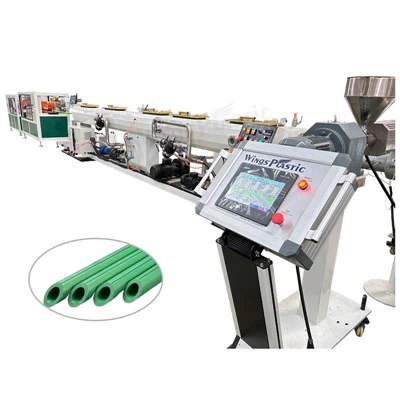
First, let’s start with the no-excuses daily maintenance, because this is the line that separates a machine that runs for 5 years straight from one that needs a full rebuild in 18 months. Every shift—before the first production run, during a 10-minute break, and after the last pipe cools—your operators need to hit three non-negotiable checks. The first is the extruder barrel and screw assembly, the heart of any PPR pipe machine. PPR resin is heat-sensitive; leftover melt that sits in the barrel overnight can degrade, turning acidy and burning onto the screw threads, creating hot spots that warp pipe walls or cause micro-cracks that lead to leaks later. I train every customer’s new operator to purge 2 pounds of material through the extruder at the end of each shift, running the temperature up 10°F above production setpoints for 5 minutes first to loosen old melt, then switching to a clean, virgin PPR pellet to flush it out. I can’t tell you how many times I’ve walked into a factory to fix a pipe that bursts under pressure, only to pull the screw out and see a 1-inch layer of burnt, caked-on material on its surface—costing them $8,000 in parts and $12,000 in lost orders while we swapped it out. That purge step takes 15 minutes, tops, and it avoids all that.
Second daily check is the die head and calibration tank. The die is the part that shapes the molten PPR into the exact pipe diameter and wall thickness your order requires, and even a tiny bit of leftover residue here will throw that calibration off. After each shift, operators need to wipe the die with a lint-free cloth soaked in mineral oil—never steel wool, which scratches the precision surface and will cause uneven pipe extrusion. For the calibration tank, which uses circulating cool water to set the pipe’s shape, check that the flow rate stays steady at 0.8 to 1.2 gallons per minute per inch of pipe diameter. I’ve had a customer ignore this check, and the calibration tank’s impeller broke, dropping flow by 60% mid-run; the result was a batch of 2,000 20mm pipes that were too narrow, unusable, and had to be melted down for scrap. That check is as simple as glancing at the flow meter on the tank, which takes 2 seconds.
Third daily step is the cooling and haul-off unit. The haul-off is the set of caterpillar tracks that pulls the newly formed pipe through the cooling line, and if their grip is uneven, you’ll get wavy pipe walls. At the end of each shift, operators should clean the rubber pads of the haul-off with a mild detergent to remove any PPR dust or resin buildup that causes slipping. Also, test the tension on the caterpillar belts—loose belts will stretch over time, but even a small daily adjustment prevents it from slipping mid-run. I once worked with a small plumbing supply shop that skipped this, and a stretched belt snapped, jamming the haul-off and backing up the extruder, which caused pressure to spike and blow the extruder’s pressure gauge. That cost them a full day of downtime, and they had to order a custom gauge, adding another $300 in fees.
Now moving to weekly maintenance, which is where you catch small issues before they turn into expensive breakdowns. The first weekly task is checking all lubrication points on the machine. PPR pipe machines have dozens of moving parts: the extruder’s gearbox, the haul-off tracks, the cutter blades, the cooling fans. Every Friday, operators should go through the manufacturer’s lubrication manual (I provide a customized one with every machine I sell) and top off each grease nipple with lithium-based grease rated for high-temperature, heavy-duty use—PPR extrusion runs at 450 to 500°F, so regular general grease will break down and cause friction. I also recommend checking the hydraulic system’s fluid level; hydraulic hoses on the die adjustment and haul-off unit can develop small leaks over time, and a drop in fluid pressure will make it impossible to adjust pipe wall thickness accurately. Last year, a large construction company I supply had a hydraulic leak that they missed for 2 weeks, and by the time we caught it, the die’s adjustment cylinder was damaged, requiring a $15,000 replacement. That leak would have been spotted if they checked the fluid level weekly.
The second weekly task is inspecting the heating bands on the extruder barrel and die. Heating bands are what keep the PPR resin molten as it moves through the extruder, and if one fails, you’ll get cold spots that cause incomplete melting, leading to porous pipes that fail pressure tests. Every week, test each heating band with a multimeter—look for continuity, and replace any band that shows a drop in output of more than 10%. I’ve seen customers put off replacing a $120 heating band, only to run a full week of production with a faulty one, resulting in 10,000 feet of unusable pipe that had to be scrapped. That’s a $5,000 loss for a $120 investment, no contest. Also, check the insulation around the barrel—over time, insulation can wear away, wasting energy and causing uneven heating. A quick wipe of dust and debris from the heating bands is also part of this; dust buildup acts as an insulator, making the bands work harder than necessary.
Third weekly step is testing the pipe cutting and marking system. The flying cutter that trims the pipe to length needs to have sharp blades and proper alignment. Every week, run a test cut on a scrap piece of PPR—if the cut is ragged or has burrs, it’s time to sharpen or replace the blades. I always tell customers to keep a spare set of cutter blades on hand; sharpening takes 2 hours, but swapping a blade takes 15, so you don’t have to stop production for long. Also, check the inkjet marker if you’re printing pipe size, batch number, and pressure rating—clogged nozzles will lead to unreadable markings, which can cause a whole batch of pipes to be rejected by clients. Every week, flush the inkjet system with the manufacturer’s recommended cleaning solution, which takes 5 minutes and prevents clogs.
Monthly maintenance is the deeper dive that keeps the machine’s precision intact, and it’s where most factories cut corners, leading to premature wear. The first monthly task is disassembling and cleaning the extruder screw and barrel thoroughly—this isn’t just a quick purge, this is a full strip-down. At the end of the month, stop production for 2 hours (I schedule this for a slow shift, like Sunday nights) to pull the screw out of the barrel, scrub it with a brass brush (never steel, which scratches the screw’s surface) to remove any caked-on material, and wipe the barrel with mineral oil to prevent rust. I can’t stress enough how important this is: even small amounts of material left in the screw’s grooves after a purge will harden over a month, causing pressure fluctuations that lead to uneven pipe wall thickness. Last year, a customer who skipped this monthly clean had their extruder’s screw seize up, requiring a $25,000 part replacement and a week of downtime while we installed it. That’s a huge hit for a small manufacturing shop.
Second monthly task is calibrating the entire extrusion line. Calibration is the process of making sure every part of the line works in sync: the extruder’s output, the haul-off’s speed, the cooling tank’s temperature, and the die’s settings. Every month, run a test pipe, measure its outer diameter and wall thickness with a digital caliper, and adjust the die’s bolts, haul-off tension, and cooling temperature to match your specifications. I include a free calibration service for the first 3 months after a customer takes delivery, but after that, I recommend they do this themselves monthly, or hire a local technician if they’re not comfortable with it. A lot of new operators don’t realize that even a 1°F change in cooling temperature or a 0.5mm adjustment to the die can throw the pipe’s diameter off by 2mm, which is enough to make it incompatible with standard fittings. I’ve seen batches of pipes that were almost perfect, just because the calibration was off by a tiny amount, costing thousands in returns.
Third monthly step is inspecting the electrical and control systems. The PPR pipe machine’s PLC (Programmable Logic Controller) is the brain of the operation, and loose wires or dirty connections can cause it to glitch mid-run. Every month, turn off the main power, remove the control panel cover, and check for loose terminals—tighten any that are wobbly. Also, blow out dust from the control box with compressed air, because dust buildup can cause short circuits. I had a customer whose machine shut down randomly three times a week, and we traced it to dust in the control box; once we cleaned it out, the glitches stopped. That simple step saved them from having to replace a $3,000 PLC module.
Quarterly maintenance is the heavy-lifting schedule that extends the machine’s lifespan to 10+ years, instead of the 5 or 6 most factories get. The first quarterly task is replacing the extruder’s screen pack. The screen pack is a set of metal filters that remove any contaminants from the molten PPR resin, and over 3 months, those filters get clogged with debris, leading to back pressure in the extruder. Every quarter, replace the screen pack with a new one rated for your resin type—PPR requires a 100-micron screen for most applications. I always keep extra screen packs in stock for my customers, because ordering them custom takes time, and you don’t want to stop production while waiting. A clogged screen pack can cause pressure spikes that damage the extruder’s motor, so this isn’t a step to skip.
Second quarterly step is inspecting and replacing the haul-off caterpillar belts. The haul-off’s belts are under constant tension, so they stretch and wear over time. Every quarter, check the belt’s tension by measuring the distance between the front and rear pulleys; if it’s stretched more than 5% from its original length, replace the belts. I recommend using polyurethane belts, which are more resistant to PPR dust and heat than rubber ones. I had a customer who used rubber belts and replaced them quarterly, but once they switched to polyurethane, the belts lasted 18 months, cutting their belt replacement costs by 60%. Also, lubricate the haul-off’s guide rails—dry rails cause friction, which wears down the belts and the machine’s frame.
Third quarterly task is testing the safety systems. PPR pipe machines run at high temperatures and moving parts, so safety is non-negotiable. Every quarter, check the emergency stop buttons on the machine, the safety guards around the extruder and haul-off, and the temperature sensors on the heating bands. Test the emergency stop by pressing the button while the machine is running—if it doesn’t shut down immediately, there’s a fault that needs to be fixed right away. I once worked with a factory that had a faulty emergency stop, and an operator’s coat sleeve got caught in the haul-off; the machine didn’t shut down, causing serious injury. That’s why testing safety systems quarterly isn’t just maintenance—it’s a legal and ethical requirement.
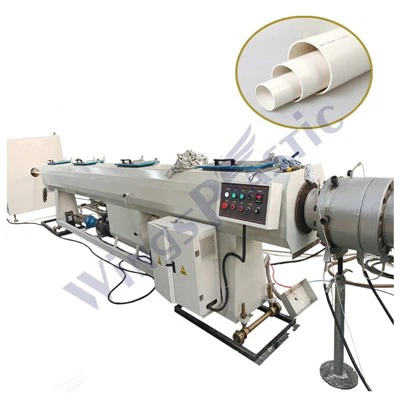
Now, let’s talk about common mistakes I see customers make, because even if you follow all these steps, small oversights can derail everything. First, using the wrong type of resin. PPR resin is specific—mixing it with other plastics, like PE or PVC, will cause it to degrade faster. I always tell customers to use virgin PPR pellets, not recycled, unless they’re 100% sure the recycled material is clean and free of contaminants. Second, rushing through daily purges. Some operators think 2 pounds of resin is too much waste, so they only purge a few ounces. That’s a false economy— the cost of scrap resin is nothing compared to the cost of a breakdown. Third, ignoring vibration checks. Every quarter, check the extruder’s motor and gearbox for abnormal vibration—excess vibration means misalignment, which can wear down bearings and gears. I use a vibration meter for this, but even just feeling the machine’s frame while it’s running can tell you if something’s off.
EVA Vacuum Cleaner Hose Machine I know that for many small to mid-sized pipe manufacturers, maintenance feels like an expense they can skip to save money. But over 12 years in this business, I’ve seen time and time again that the factories that stick to a strict maintenance schedule run for twice as long, have 30% less downtime, and produce higher quality pipes that command better prices. If you’re considering investing in a new PPR pipe machine, or you’re looking to get more out of the one you already have, let’s connect to walk through a customized maintenance plan tailored to your production volume, pipe sizes, and operational needs. I’m here to answer questions, share on-site tips, and help you avoid the costly mistakes that I’ve seen hundreds of other factories make. Whether you’re just starting out with your first machine, or you’re expanding your production line, I can guide you through every step to keep your PPR pipe machine running smoothly for years to come.
References
- "PPR Extrusion Machine Operation and Maintenance Manual", International Plastics Association, 2021
- "Lubrication Guidelines for High-Temperature Extrusion Equipment", Journal of Industrial Plastics, Vol. 45, No. 2, 2020
- "Quality Control Standards for PPR Pressure Pipes", ASTM International, F2330-19, 2019
- "Preventive Maintenance for Extrusion Lines", Manufacturing Engineering Association of North America, 2022
Qingdao Wings Plastic Technology Co., Ltd.
As one of the most experienced ppr pipe machine manufacturers and suppliers in China, we also support customized service. Please feel free to buy durable ppr pipe machine made in China here from our factory. For price consultation, contact us.
Address: C02 Of Anshengyi Road, No.2 Fuan Industry Zone,Jiaodong Town, Jiaozhou City, Qingdao City, Shandong Province,China
E-mail: kelly@wingsplastic.com
WebSite: https://www.wingsextruder.com/
