If you’ve been flying RC aircraft long enough, you know that 30C to 35C LiPo batteries are the backbone of every good flight session. These specific discharge rate packs strike the perfect balance between the bursts of power a fast RC plane needs and the runtime you actually want between charges. But here’s the thing no hobbyist likes to talk about: when your trusty pack hits its end of life, it’s not like tossing an old AA battery in the trash. I’ve been in the RC battery game for over a decade, supplying 30C and 35C LiPos to hobbyists, small club groups, and even college robotics teams, and one of the most common questions I get from new and seasoned flyers alike is, “What do I do with a dead or damaged LiPo that can’t be flown anymore?” Too many people still dump them in the regular trash, not realizing the fire risk and environmental harm that comes with that. Today, I want to walk you through the science of disposing of these batteries safely, and as someone who’s spent years researching how to make this process easier for our community, I’m breaking it down step by step—no confusing jargon, just real advice that works. 30C-35C RC Aircraft Lipo Battery

First, let’s get clear on why 30C-35C LiPos are different from other batteries you might encounter in your RC gear. The “C” rating refers to continuous discharge rate, which is critical for the performance of RC aircraft. A 30C LiPo, for example, can safely discharge 30 times its rated capacity per hour, while a 35C pack handles an extra 5 times that. That higher discharge rate means they’re packed with more energy-dense lithium chemistry than, say, the NiCd or NiMH batteries some of us grew up using for RC cars. Their energy density is what makes them so lightweight and powerful, but it also means they have a much higher fire risk if damaged or incorrectly disposed of. Unlike alkaline batteries, which are mostly made of zinc and manganese and break down relatively safely in a landfill, LiPos have flammable electrolyte solutions and small amounts of heavy metals that can leach into soil and groundwater if not handled right. I’ve seen a hobbyist’s trash can go up in smoke because a punctured dead LiPo was thrown in with regular garbage, so this isn’t just a theoretical risk—it’s a real, avoidable danger.
The first rule of disposing of any dead or damaged LiPo, regardless of its C rating, is to make sure it’s fully discharged before you do anything else. If you try to handle a pack that still holds even a little charge, you’re asking for a short circuit, which can spark, catch fire, or even explode. For 30C and 35C packs, the easiest and safest way to discharge them is using a purpose-built LiPo discharge bag or a balance charger with a dedicated discharge function. This isn’t the same as just leaving the pack unconnected on your workbench for a week, by the way. While a fully disconnected LiPo will slowly self-discharge, that process can take weeks, and there’s no way to tell when it’s at a safe voltage—one wrong bump or static spark during that time could set it off.
Let’s get specific: the safe end voltage for a LiPo cell is 3.2 volts. Most RC LiPos are 2S, 3S, 4S, or higher, so a fully charged 3S pack is 11.1 volts, and it’s safe to dispose of once it hits 9.6 volts total (3.2 per cell). When discharging your 30C or 35C pack, always do it on a non-flammable surface like a concrete floor or a ceramic tile, never on a wooden workbench or near fabric. If you don’t have a LiPo charger, a trick I learned from old club members is to discharge small packs through a low-wattage resistor or even a string of small Christmas lights (the incandescent kind, not LED, since LEDs need more voltage to work) but only under close supervision. Never leave a discharging LiPo unattended. I always recommend using a proper LiPo balance discharge function, which ensures each cell discharges evenly—super important for 30C and 35C packs, which are built to maintain consistent voltage during high discharges, so uneven cells can throw off safety.
Once your LiPo is fully discharged, the next step is choosing the right disposal method. This is where things get a little tricky, because LiPo disposal rules vary by location, but there are universal best practices for RC hobbyists like us. First, never take a dead LiPo to a general landfill. Most landfills don’t have the infrastructure to handle LiPos, and as I mentioned earlier, a punctured pack in a landfill can spark from being crushed by heavy waste, leading to fires that are hard to put out and release toxic fumes. The best option for most hobbyists is to take it to a specialized battery recycling center. Many hardware stores, big-box retailers, and even local hobby shops now have battery drop-off points that accept LiPos, not just regular alkaline batteries. We work with several local hobby shops to set up these drop-off bins for our customers, because we know it’s one less barrier for people to do the right thing.
If you can’t find a drop-off point near you, the next best option is a mail-back LiPo recycling program. Several reputable companies offer prepaid envelopes for dead LiPos, as long as they’re safely packaged. When packaging your discharged pack, make sure to cover the terminals with electrical tape so they can’t touch anything and cause a short circuit. Some programs also require you to notify them of the number of packs you’re sending, so check their website for guidelines before you ship. I should mention that we partner with one of these mail-back programs for customers who can’t find local options, because we want to make the process as easy as possible for the people who buy our 30C and 35C packs from us—after all, we’re part of the same RC community, and keeping our hobby safe is just as important as making good batteries.
Now, what about damaged LiPos? If your 30C or 35C pack has a swollen casing, puncture marks, or has caught fire even once, it needs extra care. A swollen LiPo (called “puffing”) is a sign that the internal separator has broken down and gas is building up inside the casing. This is an immediate safety hazard, so don’t try to discharge a swollen pack yourself. The correct way to handle a puffing LiPo is to submerge it in a bucket of salt water and leave it there for at least 24 to 48 hours. The salt water will slowly discharge the remaining charge in the pack, preventing a short circuit during handling. Never put a swollen LiPo in a sealed container, and don’t try to cut the casing open—you’ll release the flammable electrolyte and risk a fire. After it’s been submerged, you can take it to a LiPo recycling center just like any other discharged pack. I always tell customers who accidentally puncture a pack while working on their RC plane to follow this salt water step first, because a puffing LiPo can ignite just from being moved, so rushing it is a bad idea.
There’s a common myth that charging a LiPo all the way to full is the only way to damage it, but for our 30C and 35C packs, over-discharging is just as bad. I’ve had customers bring back packs that are dead from being flown all the way to the cut-off voltage, and those packs often have cells that are damaged, which makes them harder to discharge safely. That’s why I always advise flying your RC plane until the motor starts to lose power—don’t let it sputter for minutes at a time, that’s when you’re over-discharging. Stopping when you feel that power drop will not only make your battery last longer, it will make disposing of it safer when the time comes.
I also want to touch on what not to do with old LiPos. I know it’s tempting to repurpose them for things like power banks or garden lights, and in some cases that works, but it’s risky. 30C and 35C packs are built for high discharge, so repurposing them for low-draw applications means they won’t be used as intended, and their remaining charge capacity will degrade over time, leading to safety issues. If you do try to repurpose a pack, make sure it’s only a low-draw use, and keep an eye on it for swelling or overheating. But for most hobbyists, repurposing isn’t worth the risk—when a pack reaches the end of its RC life, it’s better to dispose of it properly than to try to force another use out of it.
As someone who supplies 30C and 35C LiPo batteries to RC pilots, I’ve seen how passionate our community is about keeping this hobby fun and safe. A lot of us don’t think about battery disposal because we’re focused on flying, but the truth is, every dead LiPo that’s disposed of incorrectly puts our homes, our clubs, and the environment at risk. That’s why we’ve made it a priority to provide our customers with clear, easy-to-follow disposal guidance, and we’re always looking for ways to partner with more recycling programs to make this process even simpler.
If you’re a hobbyist looking for reliable 30C or 35C LiPo batteries for your RC aircraft, or if you have more questions about disposing of old packs, we’d love to hear from you. We work with individuals, RC clubs, and even small aviation teams, and we’re here to help with anything from battery selection to safety best practices.
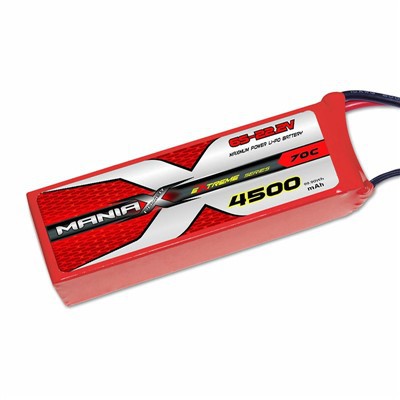
For more information on LiPo battery safety and recycling, refer to industry resources from RC safety organizations and battery recycling associations. These guides provide up-to-date information on local programs and safety protocols to ensure you’re handling your RC batteries responsibly.
4.25V Drone Solid-state Lipo Battery 400Wh/kg References:
- Academy of Model Aeronautics. "LiPo Battery Safety Guide." AMA Safety Department, 2023.
- Battery University. "Lithium-Ion Battery Disposal and Recycling." Cadex Electronics Inc., 2024.
- Federal Aviation Administration. "Small Unmanned Aircraft System Battery Safety Guidelines." FAA UAS Safety, 2023.
- Call2Recycle. "RC Hobby Battery Recycling Program Guidelines." Call2Recycle Inc., 2024.
ManiaX Power Technology Co., Ltd.
ManiaX Power Technology Co., Ltd. is one of the most reliable 30c-35c rc aircraft lipo battery manufacturers and suppliers in China, also supports customized service. Please feel free to wholesale bulk durable 30c-35c rc aircraft lipo battery made in China here from our factory.
Address: Room 1508, 15/F, Two Grand tower, 625 Nathan Road, Kowloon, HongKong. P.R. China
E-mail: info@maniax-power.com
WebSite: https://www.maniaxpower.com/
