CNC turning is a precise and efficient manufacturing process that has revolutionized the production of various components across industries. As a reliable CNC Turning Services provider, one of the most common questions we encounter from clients is about the materials suitable for CNC turning. The choice of material can significantly impact the final product’s quality, performance, and cost. In this blog, I’ll explore a wide range of materials that can be used in CNC turning services, explaining their properties, applications, and considerations for each. CNC Turning Services
Metals
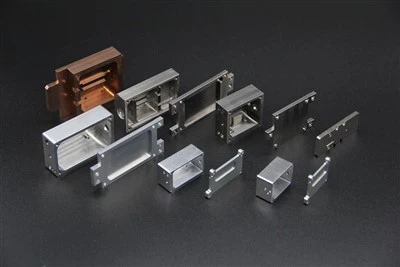
Metals are the most commonly used materials in CNC turning due to their excellent mechanical properties, durability, and machinability. Different metals offer unique characteristics, making them suitable for various applications.
Aluminum
Aluminum is a lightweight and corrosion – resistant metal that is widely used in the aerospace, automotive, and electronics industries. It has good thermal and electrical conductivity, making it ideal for heat sinks and electrical components. Aluminum is also relatively easy to machine, which means lower production costs and faster turnaround times. Some common aluminum alloys used in CNC turning include 6061 and 7075. Alloy 6061 is known for its good strength – to – weight ratio and weldability, while 7075 is a high – strength alloy often used in aerospace applications.
Steel
Steel is a versatile and strong material that comes in various grades, each with its own set of properties. Mild steel, such as 1018, is an inexpensive and easy – to – machine option that is commonly used for general – purpose components. Stainless steel, on the other hand, offers excellent corrosion resistance and is often used in medical, food processing, and marine applications. High – strength alloy steels like 4140 are used for applications that require high strength and hardness, such as gears and shafts. However, steel can be more difficult to machine compared to aluminum, and special cutting tools and machining parameters may be required.
Brass
Brass is an alloy of copper and zinc. It is known for its excellent machinability, high ductility, and good corrosion resistance. Brass has a golden appearance, which makes it aesthetically pleasing for decorative applications. It is also commonly used in plumbing fixtures, electrical connectors, and musical instruments. Due to its relatively soft nature, brass can be machined at high speeds, resulting in smooth surface finishes and tight tolerances.
Titanium
Titanium is a high – strength, low – density metal with excellent corrosion resistance and biocompatibility. It is widely used in the aerospace, medical, and marine industries. Titanium components are often used in aircraft engines, bone implants, and offshore structures. However, titanium is difficult to machine because of its low thermal conductivity and high chemical reactivity. Specialized cutting tools and coolants are required to machine titanium effectively, which can increase the production cost.
Plastics
Plastics are increasingly being used in CNC turning services due to their lightweight, low cost, and good electrical and chemical properties.
Acrylic
Acrylic is a transparent plastic with excellent optical clarity. It is commonly used in signage, display cases, and lighting fixtures. Acrylic is easy to machine and can be polished to a high – gloss finish. It is also resistant to weathering, making it suitable for outdoor applications. However, acrylic is brittle and can crack or chip if not machined carefully.
Nylon
Nylon is a strong and durable plastic with good chemical resistance and low friction. It is often used in mechanical components such as gears, bushings, and bearings. Nylon can also be reinforced with glass fibers to improve its strength and stiffness. Nylon is relatively easy to machine, but it can absorb moisture, which may affect its dimensional stability.
Polycarbonate
Polycarbonate is a tough and impact – resistant plastic with high optical clarity. It is commonly used in safety glasses, electronic device housings, and automotive lighting. Polycarbonate has good thermal stability and can be machined to tight tolerances. However, it can be prone to stress cracking if improper machining techniques are used.
Composites
Composite materials combine two or more materials with different properties to achieve enhanced performance.
Carbon Fiber Reinforced Polymer (CFRP)
CFRP is a lightweight and high – strength composite material that consists of carbon fibers embedded in a polymer matrix. It is widely used in the aerospace, automotive, and sports industries for applications such as aircraft wings, car bodies, and bicycle frames. CFRP offers excellent stiffness – to – weight ratio and corrosion resistance. However, machining CFRP can be challenging due to the abrasive nature of the carbon fibers, which can cause rapid tool wear.
Glass Fiber Reinforced Polymer (GFRP)
GFRP is another common composite material that contains glass fibers in a polymer matrix. It is less expensive than CFRP and is often used in applications where high strength and corrosion resistance are required at a lower cost, such as boat hulls, pipes, and construction components. GFRP can be machined with proper tool selection and machining parameters, but care must be taken to control the dust generated during machining, which can be hazardous to health.
Considerations for Material Selection
When selecting a material for CNC turning, several factors need to be considered:
Mechanical Properties
The application of the component will determine the required mechanical properties such as strength, hardness, and ductility. For example, a high – strength steel may be required for a load – bearing component, while a soft plastic may be suitable for a non – structural part.
Machinability
The ease of machining a material can significantly affect the production cost and lead time. Materials like aluminum and brass are generally more machinable than steel and titanium. The cutting tools, cutting speeds, and feeds need to be optimized according to the material’s machinability.
Corrosion Resistance
If the component will be exposed to corrosive environments, materials with good corrosion resistance such as stainless steel, titanium, or certain plastics should be selected.
Cost
The cost of the material, as well as the machining cost, is an important consideration. Some materials like titanium and CFRP are more expensive than aluminum and mild steel. A balance needs to be struck between the performance requirements and the cost.
Conclusion
As a CNC Turning Services provider, we have the expertise and equipment to work with a wide range of materials, from common metals and plastics to advanced composites. Understanding the properties and applications of different materials is crucial for delivering high – quality components that meet our clients’ requirements. Whether you are in the aerospace, automotive, medical, or any other industry, we can help you select the most suitable material for your project and ensure precise CNC turning manufacturing.
If you are looking for a reliable partner for your CNC turning needs, we would be delighted to discuss your project. Our team of experienced engineers and technicians can provide you with customized solutions based on your specific requirements. Contact us today to start the procurement process and let us help you bring your ideas to life.
Rapid Plastic Prototyping References
ASM Handbook Committee. (Ed.). (2000). ASM Handbook: Volume 1: Properties and Selection: Irons, Steels, and High – Performance Alloys. ASM International.
Mark Brand. (2009). Plastics Properties and Applications. Elsevier.
Chandra, P., & Bralla, J. G. (Eds.). (2013). Handbook of Manufacturing Processes. McGraw – Hill Education.
Shenzhen Multi-Wins Precision Technology Co., Ltd.
As one of the most professional CNC turning manufacturers and suppliers in China, we have world-leading production equipment and strong manufacturing capabilities. Please feel free to buy customized CNC turning made in China here from our factory. Also, quotation is available.
Address: 1 Phase, Yi’an City Central Garden, Longfei Avenue, Longgang District, Shenzhen, GD, China. 518100
E-mail: info@multi-wins.com
WebSite: https://www.multi-wins.com/
