In the realm of industrial construction, installing frames and structures in chemical – prone environments is a task fraught with unique challenges. As a seasoned supplier in the field of installing frames and structures, I’ve witnessed firsthand the importance of adhering to strict installation precautions. This blog aims to shed light on these crucial considerations to ensure the safety, durability, and efficiency of the installed structures. Installing Frame/Structure

Understanding the Chemical – Prone Environment
Before delving into the installation precautions, it’s essential to understand what a chemical – prone environment entails. These environments are typically characterized by the presence of various corrosive chemicals, whether in gaseous, liquid, or solid forms. Industries such as chemical manufacturing, petrochemical refining, and wastewater treatment facilities fall into this category.
The chemicals present in these settings can range from acids like sulfuric acid and hydrochloric acid to alkalis such as sodium hydroxide. Additionally, there may be solvents, oxidizing agents, and other reactive substances. These chemicals can cause corrosion, deterioration, and structural failure over time if the frame and structure are not properly installed and protected.
Material Selection
One of the most fundamental installation precautions is the careful selection of materials. The materials used for the frame and structure must be resistant to the specific chemicals present in the environment. For instance, in an environment with high levels of sulfuric acid, stainless steel with a high molybdenum content, such as 316L stainless steel, is a suitable choice. This type of stainless steel offers excellent corrosion resistance against sulfuric acid at various concentrations and temperatures.
In some cases, non – metallic materials like fiberglass – reinforced plastic (FRP) can be used. FRP is lightweight, strong, and highly resistant to a wide range of chemicals. It also has good electrical insulation properties, which can be an advantage in certain chemical – prone environments. However, it’s important to note that the strength and durability of FRP can be affected by factors such as UV exposure and mechanical stress, so proper design and installation are crucial.
Surface Preparation
Proper surface preparation is a critical step in the installation process. Before installing the frame and structure, the surfaces must be thoroughly cleaned and treated to ensure good adhesion of protective coatings and prevent corrosion. In a chemical – prone environment, any contaminants on the surface can act as catalysts for corrosion.
First, the surface should be free of dirt, oil, grease, and other debris. This can be achieved through methods such as solvent cleaning, pressure washing, or abrasive blasting. Abrasive blasting is particularly effective as it not only removes surface contaminants but also creates a rough surface profile, which improves the adhesion of coatings.
After cleaning, the surface may need to be passivated. Passivation is a chemical treatment that removes free iron from the surface of stainless steel, leaving a thin, protective oxide layer. This oxide layer helps to prevent corrosion and enhances the overall durability of the material.
Coating and Linings
Applying protective coatings and linings is an important measure to safeguard the frame and structure from chemical attack. There are different types of coatings available, each with its own properties and suitability for specific chemicals.
Epoxy coatings are commonly used in chemical – prone environments due to their excellent adhesion, chemical resistance, and durability. They can be applied to various substrates, including steel and concrete. Polyurethane coatings, on the other hand, offer good abrasion resistance and weatherability, in addition to chemical resistance.
In some cases, linings may be used instead of or in combination with coatings. For example, rubber linings can provide excellent protection against acids and alkalis. They are flexible and can conform to irregular surfaces, making them suitable for complex structures.
When applying coatings and linings, it’s crucial to follow the manufacturer’s instructions regarding surface preparation, application methods, and curing times. Improper application can lead to poor adhesion, coating failure, and ultimately, corrosion of the structure.
Structural Design Considerations
The design of the frame and structure also plays a significant role in ensuring its performance in a chemical – prone environment. The structure should be designed to allow for proper drainage of chemicals and water. Standing water or chemical solutions can accelerate corrosion, so it’s important to slope the surfaces and provide adequate drainage channels.
In addition, the design should minimize areas where chemicals can accumulate, such as crevices, pockets, and joints. These areas are more susceptible to corrosion due to the increased concentration of chemicals and the reduced ability to clean and inspect.
The use of corrosion – resistant fasteners is also essential. Standard steel fasteners can corrode quickly in a chemical – prone environment, leading to loosening and structural instability. Stainless steel, titanium, or coated fasteners should be used instead.
Installation Techniques
During the installation process, several techniques can be employed to ensure the integrity of the frame and structure. For example, welding should be carried out carefully to avoid introducing defects that can act as corrosion initiation sites. The welding process should be optimized to minimize the heat – affected zone, which is more susceptible to corrosion.
If using bolts and nuts, proper torqueing is crucial. Under – torqueing can lead to loose connections, while over – torqueing can cause damage to the fasteners and the structure. A torque wrench should be used to ensure that the fasteners are tightened to the recommended specifications.
Inspection and Maintenance
Even after proper installation, regular inspection and maintenance are essential to ensure the long – term performance of the frame and structure in a chemical – prone environment. Inspections should be conducted at regular intervals to check for signs of corrosion, coating damage, and structural integrity.
Visual inspections can be supplemented with non – destructive testing methods, such as ultrasonic testing and magnetic particle testing. These methods can detect internal defects and corrosion that may not be visible to the naked eye.
Any signs of corrosion or damage should be addressed promptly. This may involve touching up coatings, replacing damaged components, or performing repairs. A preventive maintenance program should be established to ensure that all necessary maintenance tasks are carried out in a timely manner.
Environmental Monitoring
Lastly, environmental monitoring is an important aspect of ensuring the safety and durability of the installed frame and structure. By monitoring the concentration of chemicals in the environment, temperature, humidity, and other relevant factors, it’s possible to predict the rate of corrosion and take proactive measures.
For example, if the concentration of a particular corrosive chemical is increasing, additional protective measures may be necessary. Environmental monitoring can also help to identify any changes in the operating conditions that may affect the performance of the structure.
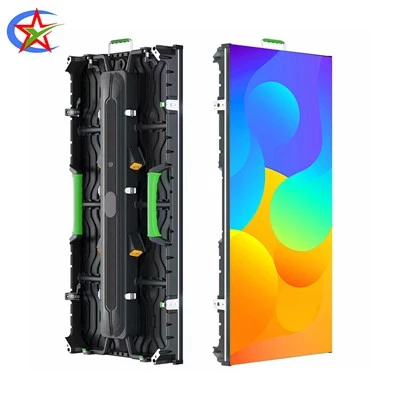
In conclusion, installing frames and structures in a chemical – prone environment requires careful consideration of multiple factors. From material selection and surface preparation to coating application, structural design, installation techniques, inspection, maintenance, and environmental monitoring, every step of the process is crucial. By following these installation precautions, we can ensure that the structures we install are safe, durable, and capable of withstanding the harsh chemical environments.
Huidu Control System If you are in need of high – quality frame and structure installation services in a chemical – prone environment, I encourage you to reach out to discuss your specific requirements. Whether it’s a small – scale project or a large industrial installation, I am committed to providing customized solutions that meet your needs. Let’s work together to ensure the success of your project.
References
- ASM Handbook Volume 13A: Corrosion: Fundamentals, Testing, and Protection
- NACE International Standards and Recommended Practices
- ASTM International Standards related to materials for chemical – resistant applications
Shenzhen Starcolor Optoelectronics Co., Ltd.
As one of the most professional installing frame/structure manufacturers and suppliers in China, we’re featured by quality products and good price. Please rest assured to wholesale discount installing frame/structure in stock here from our factory. Customized orders are welcome.
Address: 2nd floor, Building A, Hongjingda Industrial Park, Shiyan town, Bao’an District, Shenzhen
E-mail: starcolorled@outlook.com
WebSite: https://www.starcolordisplay.com/
