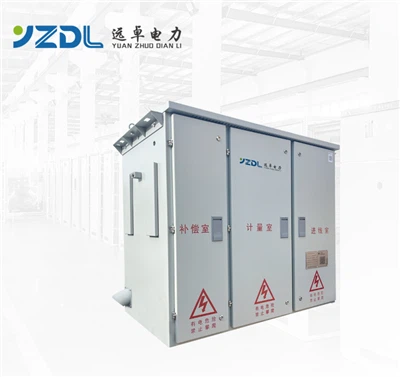
As a supplier of Pad Mounted Substations, I’ve seen firsthand the importance of choosing the right switchgear for these installations. Pad Mounted Substations are compact, self – contained units often used for distributing electrical power in urban and suburban areas. The switchgear within these substations plays a crucial role in ensuring the safe and efficient operation of the electrical system. In this blog, I’ll explore the various switchgear options available for Pad Mounted Substations. Pad Mounted Substation
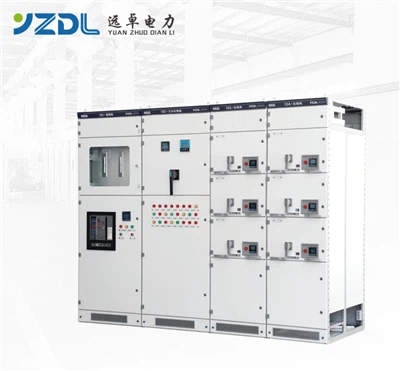
Air – Insulated Switchgear (AIS)
One of the most common types of switchgear used in Pad Mounted Substations is Air – Insulated Switchgear. As the name suggests, AIS uses air as the insulation medium between electrical conductors. This type of switchgear is known for its simplicity and reliability.
The construction of AIS is relatively straightforward. The conductors are mounted in the air within an enclosure, and the distance between them is designed to prevent electrical arcing. The enclosure is usually made of metal, providing protection against the environment and unauthorized access.
A key advantage of AIS is its cost – effectiveness. Since air is freely available, there’s no need to invest in expensive insulation materials. This makes it an attractive option for budget – conscious projects. Additionally, AIS is easy to maintain. Technicians can easily access the components for inspection and repair, as there are no complex insulation systems to deal with.
However, AIS also has its limitations. It requires a relatively large amount of space to ensure proper insulation. This can be a drawback in areas where space is at a premium. Also, air insulation is affected by environmental factors such as humidity and pollution. High humidity can reduce the dielectric strength of air, increasing the risk of electrical breakdown.
Gas – Insulated Switchgear (GIS)
Gas – Insulated Switchgear is another popular option for Pad Mounted Substations. GIS uses a dielectric gas, typically sulfur hexafluoride (SF6), as the insulation medium. SF6 is an excellent insulator, allowing the switchgear to be much more compact compared to AIS.
The compact design of GIS makes it ideal for Pad Mounted Substations where space is limited. The switchgear components are enclosed in a gas – filled tank, which significantly reduces the overall footprint of the substation. This not only saves space but also makes the installation process more convenient.
GIS is also highly reliable. The gas – filled enclosure provides a stable and controlled environment for the electrical components, protecting them from environmental factors such as dust, moisture, and pollution. This results in a lower maintenance requirement and longer service life.
Despite its many advantages, GIS has some drawbacks. The cost of GIS is generally higher than that of AIS. The initial investment includes not only the cost of the switchgear itself but also the cost of the SF6 gas and the associated gas handling equipment. Additionally, SF6 is a greenhouse gas, and its release into the atmosphere can have a significant environmental impact. Therefore, proper handling and monitoring of SF6 are essential.
Vacuum – Insulated Switchgear (VIS)
Vacuum – Insulated Switchgear is a relatively new technology in the field of Pad – Mounted Substations. As the name implies, VIS uses a vacuum as the insulation medium. The electrical contacts are enclosed in a vacuum interrupter, which provides excellent arc – quenching properties.
One of the main advantages of VIS is its high performance. The vacuum interrupter can quickly and effectively quench the electrical arc, reducing the risk of damage to the switchgear components. This results in a more reliable and durable switchgear.
VIS is also environmentally friendly. Unlike GIS, which uses SF6 gas, VIS does not use any harmful gases. This makes it a more sustainable option, especially in today’s environmentally conscious world.
In terms of maintenance, VIS is relatively easy to maintain. The vacuum interrupter has a long service life and does not require frequent replacement. However, the manufacturing cost of VIS is still relatively high, which may limit its widespread adoption.
Oil – Immersed Switchgear
Oil – Immersed Switchgear has been used in electrical substations for many years. In this type of switchgear, the electrical components are immersed in insulating oil. The oil serves both as an insulating medium and as a coolant.
The insulating oil used in oil – immersed switchgear has excellent dielectric properties, providing reliable insulation between electrical conductors. It also helps to dissipate heat generated by the switchgear components, ensuring their stable operation.
Oil – Immersed Switchgear is known for its high short – circuit withstand capacity. This makes it suitable for applications where high – fault currents are expected. It is also relatively low – cost compared to some other types of switchgear.
However, oil – immersed switchgear has some disadvantages. The oil is flammable, which poses a fire hazard. In addition, proper disposal of the used oil is a concern due to environmental regulations.
Considerations for Choosing Switchgear
When choosing the switchgear for a Pad Mounted Substation, several factors need to be considered.
Space Requirements: As mentioned earlier, the available space is a crucial factor. If space is limited, GIS or VIS may be the better options due to their compact designs. On the other hand, if space is not a constraint, AIS or oil – immersed switchgear can be considered.
Cost: Cost is always an important consideration. AIS is generally the most cost – effective option, followed by oil – immersed switchgear. GIS and VIS are more expensive, but they offer better performance and reliability in some cases. The total cost should include not only the initial purchase cost but also the cost of installation, maintenance, and operation over the service life of the switchgear.
Reliability and Maintenance: The reliability of the switchgear is essential for the continuous operation of the Pad Mounted Substation. GIS and VIS are known for their high reliability and low maintenance requirements, while AIS and oil – immersed switchgear may require more frequent maintenance.
Environmental Impact: In today’s world, environmental considerations are becoming increasingly important. VIS is the most environmentally friendly option, followed by AIS. GIS uses SF6 gas, which has a high global warming potential, and oil – immersed switchgear has the risk of oil spills.
Conclusion
In conclusion, there are several switchgear options available for Pad Mounted Substations, each with its own advantages and disadvantages. As a supplier, I understand that choosing the right switchgear is a critical decision that depends on various factors such as space requirements, cost, reliability, and environmental impact.
High-Voltage Switchgear If you are in the process of planning a Pad Mounted Substation project or need to upgrade your existing switchgear, I encourage you to reach out to me. I have extensive experience in providing high – quality switchgear solutions for Pad Mounted Substations. Our team of experts can help you evaluate the different options and select the one that best meets your specific needs. Contact me to start a discussion about your project and explore the possibilities of our switchgear solutions.
References
- Blackburn, J. L. (2007). Protective Relaying: Principles and Applications. CRC Press.
- Gross, C. A. (2007). Electric Power Generation, Transmission, and Distribution. Wiley – IEEE Press.
- Kirtley, J. L. (2004). Electric Machinery and Transformers. McGraw – Hill.
Yuanzhuo Electrical Equipment (Jiangsu) Co., Ltd.
We’re well-known as one of the leading pad mounted substation manufacturers and suppliers in China. We warmly welcome you to wholesale high quality pad mounted substation at competitive price from our factory. If you have any enquiry about cooperation, please feel free to email us.
Address: Group 8, Chengdong Village, Fucheng Sub-district Office, Funing County
E-mail: markcheng1358@126.com
WebSite: https://www.yzdlchina.com/
