As a well – established supplier of power distribution cabinets, I’ve witnessed firsthand the importance of standards in ensuring both the safety and efficiency of these critical electrical components. Power distribution cabinets play a central role in modern electrical systems, managing and distributing electrical power from a single source to multiple downstream circuits. Let’s delve into the key standards that are crucial for power distribution cabinets. Power Distribution Cabinet
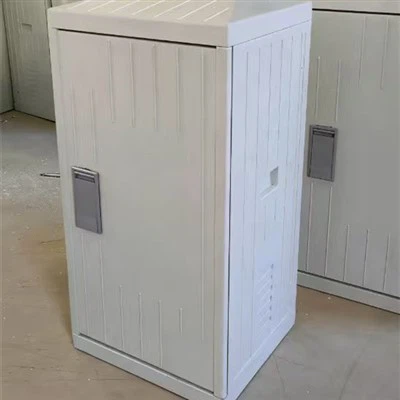
I. Safety Standards
A. Electrical Shock Protection
The foremost concern in any electrical system is protecting users from electrical shocks. According to international standards such as the International Electrotechnical Commission (IEC) 61439 series, power distribution cabinets must be designed to prevent direct contact with live parts. This usually involves using enclosures made of insulating materials or installing barriers around live conductors.
For example, the cabinet doors should be equipped with proper interlocking mechanisms. When the door is opened, the power supply to accessible areas inside the cabinet should automatically cut off. This feature minimizes the risk of accidental contact with live electrical parts by maintenance personnel or unauthorized individuals.
B. Fire and Flammability Standards
Power distribution cabinets are prone to generating heat due to the flow of electrical current. To prevent fires, the materials used in the construction of the cabinets must meet specific flammability standards. UL 94 is a widely recognized standard in North America that classifies the flammability of plastic materials used in electrical equipment.
Cabinets should be made of materials with a high – fire resistance rating, such as flame – retardant plastics or fire – resistant metals. Additionally, proper ventilation systems must be designed to dissipate heat effectively, reducing the likelihood of overheating and subsequent fires.
C. Overcurrent and Overvoltage Protection
Overcurrent and overvoltage can cause serious damage to electrical equipment and pose a significant safety hazard. Standards require power distribution cabinets to be equipped with protective devices such as circuit breakers and fuses.
Circuit breakers are designed to automatically interrupt the circuit when the current exceeds a pre – set value. Fuses, on the other hand, melt when exposed to excessive current, breaking the circuit. These protective devices not only safeguard the equipment inside the cabinet but also prevent electrical faults from spreading to other parts of the electrical system.
II. Electrical Performance Standards
A. Ampacity and Load Rating
The ampacity of a power distribution cabinet refers to its ability to carry electrical current continuously without overheating. It is determined by factors such as the cross – sectional area of the conductors, the material of the conductors, and the ambient temperature.
The load rating of the cabinet should be clearly marked, indicating the maximum amount of electrical load that can be safely connected to the cabinet. This information is crucial for electrical engineers and installers to ensure that the cabinet is not overloaded, which can lead to overheating, reduced equipment lifespan, and potential safety hazards.
B. Voltage Drop
Voltage drop is the reduction in voltage that occurs as electrical current flows through a conductor. In power distribution cabinets, excessive voltage drop can cause electrical equipment to operate inefficiently or malfunction.
Industry standards specify a maximum allowable voltage drop within the cabinet. To minimize voltage drop, proper conductor sizing is essential. Thick – gauge conductors with low resistance should be used, especially for long – distance power distribution within the cabinet.
C. Power Quality
Power quality refers to the characteristics of electrical power, such as voltage stability, frequency stability, and the presence of harmonics. A high – quality power distribution cabinet should be designed to maintain good power quality.
For example, it should be able to filter out harmonics, which are unwanted electrical frequencies that can cause interference and damage to sensitive electrical equipment. Capacitor banks or harmonic filters can be installed in the cabinet to improve power quality.
III. Environmental and Durability Standards
A. Ingress Protection (IP) Rating
The IP rating indicates the degree of protection provided by the cabinet against the ingress of solid objects and liquids. It is composed of two digits. The first digit represents the protection against solid objects, with a rating of 0 meaning no protection and 6 indicating complete protection against dust. The second digit represents the protection against liquids, with 0 being no protection and 8 indicating protection against long – term immersion in water.
For indoor applications, an IP rating of IP30 may be sufficient, which provides protection against solid objects larger than 2.5 mm. For outdoor or harsh environments, a higher IP rating such as IP65 is required, which protects against dust and water jets from all directions.
B. Corrosion Resistance
Power distribution cabinets are often exposed to various environmental conditions, including humidity, chemicals, and saltwater. To ensure long – term durability, the cabinets must be corrosion – resistant.
This can be achieved through the use of materials such as stainless steel or by applying protective coatings to the cabinet. Galvanizing, powder coating, or painting are common methods used to protect the cabinet from corrosion.
C. Temperature and Humidity Tolerance
The internal components of power distribution cabinets are sensitive to temperature and humidity. Standards require the cabinets to be able to operate within a specified temperature and humidity range.
For example, the cabinet should be able to function properly in temperatures ranging from – 20°C to 60°C and relative humidity levels up to 95%. To achieve this, proper ventilation and climate – control systems may be installed inside the cabinet.
IV. Installation and Mounting Standards
A. Mounting Methods
Power distribution cabinets can be mounted in various ways, such as wall – mounting, floor – mounting, or pole – mounting. Standards specify the proper mounting methods and requirements for each type.
For wall – mounted cabinets, the wall must be able to support the weight of the cabinet and its contents. The mounting hardware must be strong enough to secure the cabinet firmly. Floor – mounted cabinets should be installed on a level surface and may require additional support if they are large or heavy.
B. Clearance and Accessibility
Proper clearance around the power distribution cabinet is essential for maintenance and safety. Standards require a certain amount of clearance in front, behind, and on the sides of the cabinet to allow easy access for maintenance personnel.
For example, a minimum of 0.8 meters of clearance may be required in front of the cabinet to enable the door to open fully and for personnel to perform maintenance tasks without obstruction.
V. Why Choose Our Power Distribution Cabinets
As a professional power distribution cabinet supplier, we are committed to meeting and exceeding all the above – mentioned standards. Our cabinets are designed and manufactured with the highest quality materials and the latest technologies.

We have a strict quality control system in place to ensure that each cabinet leaving our factory meets the international safety, electrical performance, environmental, and installation standards. Our experienced engineering team can also customize cabinets according to your specific requirements, ensuring that you get the perfect solution for your electrical system.
Low Voltage Switchgear If you are in the market for high – quality power distribution cabinets, we invite you to contact us for a detailed consultation. Our sales team will be happy to discuss your needs and provide you with a competitive quote. We look forward to the opportunity to work with you and contribute to the success of your electrical projects.
References
- International Electrotechnical Commission (IEC) 61439 series
- UL 94 Standard for Tests for Flammability of Plastic Materials for Parts in Devices and Appliances
Huachi Electric Co., Ltd.
We’re well-known as one of the leading power distribution cabinet manufacturers in China, featured by quality products and good service. Please rest assured to buy customized power distribution cabinet made in China here from our factory. Contact us for more details.
Address: Plastic Park, Tongyu Street, Luqiao District, Taizhou City, Zhejiang Province
E-mail: HCDQ2026@163.com
WebSite: https://www.huachi-electric.com/
