As a supplier in the dry mixing process industry, I’ve seen firsthand how crucial humidity control is. You know, when we’re talking about dry mixing, it’s not just about tossing a bunch of stuff together. Humidity can mess with the whole process big time. So, let’s dig into how we can control humidity during the dry mixing process. Dry Mixing Process

Why Humidity Control Matters
First off, why do we even care about humidity in dry mixing? Well, too much moisture in the air can cause all sorts of problems. For one, it can make your dry materials clump up. Imagine trying to mix dry powders, and they start sticking together because of the humidity. It’s like trying to mix wet sand – it just doesn’t work well. This clumping can lead to uneven mixing, which means your final product won’t have the consistent quality you need.
Another issue is that humidity can affect the chemical properties of your materials. Some substances are hygroscopic, which means they absorb moisture from the air. When this happens, their chemical composition can change, and that can mess with the performance of your end product. For example, in the construction industry, if the dry mix for concrete absorbs too much moisture during mixing, it can lead to a weaker final structure.
Measuring Humidity
Before we can control humidity, we need to know how much of it is in the air. That’s where humidity sensors come in. These little devices are super handy. They can measure the relative humidity (RH) in the mixing area. RH is the amount of water vapor in the air compared to the maximum amount the air could hold at that temperature.
There are different types of humidity sensors out there. Some use capacitive sensors, which measure the change in electrical capacitance as the humidity changes. Others use resistive sensors, which measure the change in electrical resistance. You can choose the one that suits your needs and budget.
Once you have a humidity sensor, it’s a good idea to place it in the mixing area. Make sure it’s in a spot where it can get an accurate reading of the air that’s actually interacting with your materials. You might also want to have a few sensors in different parts of the area to get a more comprehensive view of the humidity levels.
Controlling Humidity
Now that we know why humidity control is important and how to measure it, let’s talk about how to actually control it. There are a few different methods we can use.
Dehumidification
One of the most common ways to control humidity is through dehumidification. A dehumidifier works by pulling in the moist air, cooling it down so that the water vapor condenses into liquid water, and then reheating the air before releasing it back into the room. The condensed water is collected in a tank or drained away.
There are different types of dehumidifiers available. Refrigerant dehumidifiers are great for larger areas and work well at normal room temperatures. Desiccant dehumidifiers, on the other hand, are better for lower temperatures and can remove more moisture from the air. You’ll need to choose the right type based on your specific needs.
When using a dehumidifier, it’s important to size it correctly for your mixing area. If it’s too small, it won’t be able to keep up with the moisture in the air. If it’s too big, it’ll use more energy than necessary. You can calculate the size you need based on the volume of the room and the expected moisture load.
Ventilation
Another way to control humidity is through ventilation. By bringing in fresh, dry air from outside and exhausting the moist air from the mixing area, you can reduce the humidity levels. This can be done using fans or an HVAC system.
Natural ventilation can also be an option if the weather allows. Opening windows and doors can let in fresh air and help remove the moist air. However, this might not be practical in all situations, especially if the outside air is also humid.
When using ventilation, it’s important to make sure it’s balanced. You don’t want to bring in too much outside air, as it could bring in dust and other contaminants. You also need to make sure the exhaust is working properly to remove the moist air effectively.
Sealing the Mixing Area
Sealing the mixing area can also help control humidity. By preventing outside air from getting in, you can keep the humidity levels more stable. This can be done by using weatherstripping around doors and windows, sealing any cracks or gaps in the walls, and using airtight containers for your materials.
It’s also a good idea to keep the mixing area clean and free of any sources of moisture. For example, make sure there are no leaks in the pipes or any standing water on the floor.
Monitoring and Adjusting
Controlling humidity isn’t a one-time thing. You need to constantly monitor the humidity levels and make adjustments as needed. This is where your humidity sensors come in handy. You can set up an alarm to alert you if the humidity levels go outside of your desired range.
If the humidity is too high, you can increase the dehumidification or ventilation. If it’s too low, you might need to add a humidifier to the area. However, in most cases of dry mixing, we’re more concerned about reducing humidity than increasing it.
Case Studies
Let me share a couple of case studies to give you a better idea of how humidity control can make a difference in the dry mixing process.
One of our clients was a food manufacturer. They were having problems with the clumping of their dry spice mixes. After installing a dehumidifier in their mixing area and sealing the room, they noticed a significant improvement. The spices were mixing more evenly, and the final product had a better texture and flavor.
Another client was a construction company. They were using a dry mix for plastering, and the quality of the plaster was inconsistent. We helped them set up a ventilation system and monitor the humidity levels. Once they got the humidity under control, the plastering process became much smoother, and the final walls had a better finish.
Conclusion
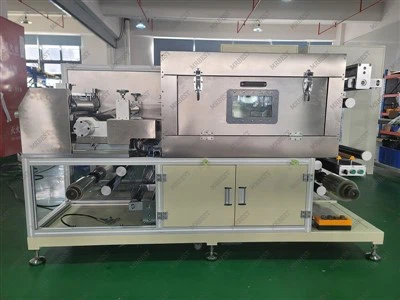
So, there you have it – how to control humidity during the dry mixing process. It’s all about understanding why humidity matters, measuring it, using the right methods to control it, and constantly monitoring and adjusting. By taking these steps, you can ensure a more consistent and high-quality dry mixing process.
Fibrillation And Mixing If you’re in the dry mixing business and struggling with humidity control, I’d love to chat. We’ve got a lot of experience in this area and can help you find the best solutions for your specific needs. Whether it’s choosing the right dehumidifier, setting up a ventilation system, or sealing your mixing area, we’re here to support you. So, don’t hesitate to reach out and let’s start talking about how we can improve your dry mixing process together.
References
- ASHRAE Handbook of Fundamentals.
- Industrial Dehumidification Manual.
- Research papers on humidity control in dry mixing processes from industry journals.
Shenzhen Meirui Zhida Technology Co., Ltd.
Shenzhen Meirui Zhida Technology Co., Ltd. is one of the most professional dry mixing process manufacturers and suppliers in China, specialized in providing high quality products with low price. If you’re going to buy bulk discount dry mixing process made in China, welcome to get pricelist and quotation from our factory.
Address: 104 Building 6, Second Industrial Zone, Shanmen Community, Yanluo Street, Baoan District, Shenzhen China
E-mail: mrbest@szmrbest.com
WebSite: https://www.szmrbest.com/
