Soundproofing a library is a crucial task that requires careful planning and the right materials. As a soundproofing supplier, I’ve had the privilege of working on numerous library projects, and I’m excited to share my insights on how to effectively soundproof a library. Soundproofing
Understanding the Importance of Soundproofing in Libraries
Libraries are places of learning, research, and quiet contemplation. They serve as havens for students, scholars, and book lovers seeking a peaceful environment to focus on their studies or enjoy a good read. However, without proper soundproofing, libraries can be plagued by external noise sources such as traffic, construction, and conversations, which can significantly disrupt the reading and studying experience.
Soundproofing not only helps to create a more peaceful and productive environment but also protects the integrity of the library’s collection. Excessive noise can cause damage to books and other materials over time, leading to increased wear and tear and potential loss of valuable resources.
Assessing the Noise Sources
Before you begin soundproofing your library, it’s essential to identify the primary noise sources. This will help you determine the most effective soundproofing solutions for your specific needs. Common noise sources in libraries include:
- External noise: Traffic, construction, and other outdoor activities can generate significant noise that can penetrate the library’s walls and windows.
- Internal noise: Conversations, footsteps, and equipment noise can also disrupt the quiet environment inside the library.
- HVAC systems: Heating, ventilation, and air conditioning systems can produce noise that can be distracting to library users.
Once you’ve identified the noise sources, you can start to develop a soundproofing plan that addresses each of these issues.
Choosing the Right Soundproofing Materials
There are several types of soundproofing materials available on the market, each with its own unique properties and benefits. When choosing soundproofing materials for your library, it’s important to consider the following factors:
- Sound absorption: Sound absorption materials are designed to reduce the amount of sound that reflects off surfaces, helping to reduce echo and reverberation. Common sound absorption materials include acoustic panels, fiberglass insulation, and foam.
- Sound insulation: Sound insulation materials are designed to block the transmission of sound through walls, floors, and ceilings. Common sound insulation materials include mass loaded vinyl, acoustic drywall, and double-pane windows.
- Fire resistance: Since libraries contain a large amount of paper and other flammable materials, it’s important to choose soundproofing materials that are fire-resistant.
- Aesthetics: Soundproofing materials should not only be effective but also blend in with the library’s decor. There are many soundproofing materials available that come in a variety of colors and textures, allowing you to choose the ones that best suit your library’s style.
Soundproofing the Walls
One of the most effective ways to soundproof a library is to install soundproofing materials on the walls. Here are some steps you can take to soundproof your library’s walls:
- Install acoustic panels: Acoustic panels are a popular choice for soundproofing libraries because they are easy to install and can significantly reduce echo and reverberation. You can choose from a variety of acoustic panels, including fabric-wrapped panels, perforated panels, and wood panels.
- Add mass loaded vinyl: Mass loaded vinyl is a heavy, flexible material that can be installed on the walls to block the transmission of sound. It’s a great option for libraries that are located in noisy areas or that have thin walls.
- Use acoustic drywall: Acoustic drywall is a type of drywall that is designed to reduce sound transmission. It’s thicker and denser than regular drywall and can be installed in place of traditional drywall to improve the soundproofing of your library’s walls.
Soundproofing the Floors
Another important area to soundproof in a library is the floors. Here are some steps you can take to soundproof your library’s floors:
- Install carpet: Carpet is a great sound absorber and can help to reduce the noise from footsteps and other activities. You can choose from a variety of carpet styles and colors to match your library’s decor.
- Add underlayment: Underlayment is a layer of material that is installed between the carpet and the subfloor. It can help to reduce the transmission of sound through the floor and improve the overall comfort of the library.
- Use acoustic flooring: Acoustic flooring is a type of flooring that is designed to reduce sound transmission. It’s available in a variety of materials, including vinyl, laminate, and hardwood, and can be installed in place of traditional flooring to improve the soundproofing of your library’s floors.
Soundproofing the Ceilings
The ceilings in a library can also be a significant source of noise. Here are some steps you can take to soundproof your library’s ceilings:
- Install acoustic tiles: Acoustic tiles are a popular choice for soundproofing libraries because they are easy to install and can significantly reduce echo and reverberation. You can choose from a variety of acoustic tiles, including fiberglass tiles, mineral wool tiles, and perforated tiles.
- Add insulation: Insulation can help to reduce the transmission of sound through the ceiling. You can choose from a variety of insulation materials, including fiberglass insulation, cellulose insulation, and spray foam insulation.
- Use acoustic ceiling panels: Acoustic ceiling panels are a type of ceiling panel that is designed to reduce sound transmission. They are available in a variety of materials, including wood, metal, and fabric, and can be installed in place of traditional ceiling panels to improve the soundproofing of your library’s ceilings.
Soundproofing the Windows
Windows are another area where noise can enter a library. Here are some steps you can take to soundproof your library’s windows:
- Install double-pane windows: Double-pane windows are a great option for soundproofing libraries because they have two layers of glass with a layer of air or gas in between. This helps to reduce the transmission of sound through the windows.
- Add window treatments: Window treatments such as curtains, blinds, and shades can help to reduce the amount of sound that enters the library through the windows. You can choose from a variety of window treatments that are designed to block sound, including blackout curtains and acoustic blinds.
- Seal the windows: Sealing the windows can help to prevent air and noise from leaking in. You can use caulk or weatherstripping to seal the gaps around the windows.
Soundproofing the HVAC System
The HVAC system in a library can also be a significant source of noise. Here are some steps you can take to soundproof your library’s HVAC system:
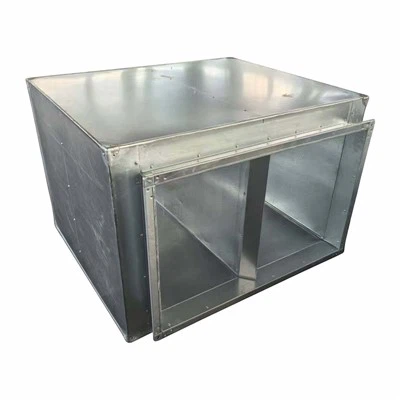
- Install soundproofing materials: You can install soundproofing materials such as acoustic panels and insulation around the HVAC system to reduce the noise it produces.
- Use vibration isolation mounts: Vibration isolation mounts can help to reduce the vibration and noise produced by the HVAC system. They are typically installed between the HVAC system and the floor or wall.
- Schedule regular maintenance: Regular maintenance of the HVAC system can help to ensure that it is operating efficiently and quietly. This includes cleaning the filters, checking the refrigerant levels, and lubricating the moving parts.
Conclusion
Soundproofing a library is a complex task that requires careful planning and the right materials. By following the tips and techniques outlined in this blog post, you can create a more peaceful and productive environment for library users. As a soundproofing supplier, I’m here to help you choose the right soundproofing materials for your library and provide you with the support and guidance you need to complete your project successfully.
Fan If you’re interested in learning more about soundproofing your library or would like to discuss your specific needs, please don’t hesitate to contact me. I’d be happy to answer any questions you may have and provide you with a free consultation.
References
- Beranek, L. L. (1971). Noise and vibration control. McGraw-Hill.
- Fahy, F. J. (2001). Foundations of engineering acoustics. Academic Press.
- Kinsler, L. E., Frey, A. R., Coppens, A. B., & Sanders, J. V. (2000). Fundamentals of acoustics. Wiley.
Jiangsu Hengyu Fire Protection Technology Co., Ltd.
We’re well-known as one of the most experienced soundproofing manufacturers in China, also support customized service. With abundant experience, we warmly welcome you to buy bulk discount soundproofing from our factory. If you have any enquiry about quotation, please feel free to email us.
Address: Jiangsu Hengyu Fire Protection Technology Co., Ltd., No. 56, Xinyi Road, Chengbei Industrial Park, Jingjiang City, Jiangsu Province
E-mail: Jskyxfkj@163.com
WebSite: https://www.cehengyu.com/
