Moving hot-dried grains with a conveyor might seem like a walk in the park, but it’s got its fair share of challenges. I’m part of a grain conveying equipment supplier’s team, and over the years, I’ve seen firsthand how crucial it is to do this right. Today, I’ll share some tips on transporting hot-dried grains safely using conveyors, and at the end, I’ll tell you why reaching out to us can be a game-changer for your business. Grain Conveying Equipment
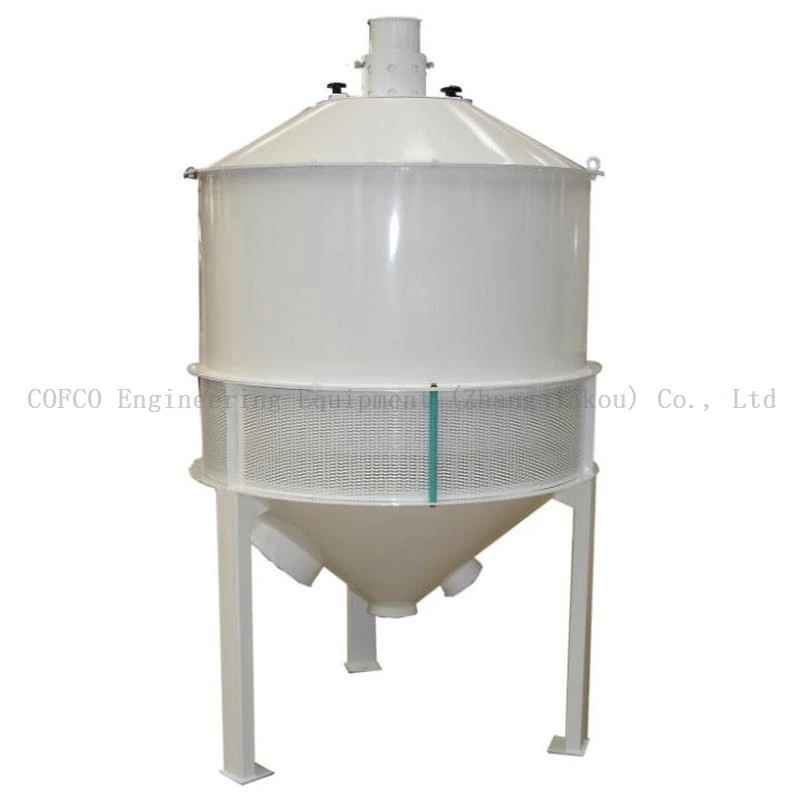
Understanding the Basics of Hot – Dried Grains
Before we dive into the conveyor stuff, let’s talk about hot-dried grains. When grains are dried, they’re heated to remove moisture. This makes them more stable for storage, but it also means they’re at an elevated temperature. The heat can cause all sorts of problems if not handled properly.
One major thing to note is that hot grains are more brittle. They’re more likely to break during transit, which can lead to a bunch of fine particles mixing in. These fine particles can get into the conveyor system, causing wear and tear, and they can also be a fire hazard if they accumulate.
Selecting the Right Conveyor
Not all conveyors are created equal when it comes to transporting hot-dried grains. The type of conveyor you choose depends on a few factors, like the volume of grains you’re moving, the distance they need to travel, and the layout of your facility.
Belt Conveyors
Belt conveyors are a popular choice. They’re relatively simple and can handle large volumes of grains. When dealing with hot grains, you’ll want to pick a belt that can withstand high temperatures. Some belts are made from materials that can handle heat without deforming or losing their grip.
Another thing to consider with belt conveyors is the cleaning system. As I mentioned earlier, hot grains can produce fine particles, and these can build up on the belt. A good cleaning system will help keep the belt in good condition and prevent any blockages.
Screw Conveyors
Screw conveyors are great for moving grains in a more confined space. They work by rotating a screw blade inside a tube, which pushes the grains along. For hot-dried grains, you need to make sure the screw conveyor is made from a material that can handle the heat. Stainless steel is a good option because it’s durable and can withstand high temperatures.
The design of the screw conveyor is also important. The pitch of the screw blade and the speed of rotation need to be adjusted based on the type of grain and its temperature. If the screw rotates too fast, it can cause the grains to break more easily.
Pre – Conveyor Checks
Before you start moving hot-dried grains, there are a few things you need to check on the conveyor.
Temperature Monitoring
It’s essential to know the temperature of the grains before you load them onto the conveyor. You can use a temperature probe to take readings at different points in the grain pile. If the temperature is too high, you might need to let the grains cool down a bit before transport.
Also, it’s a good idea to have temperature sensors installed on the conveyor itself. This way, you can monitor the temperature of the conveyor components as the grains are being transported. If the temperature gets too high, it could indicate a problem, like a blockage or excessive friction.
Belt Tension and Alignment
If you’re using a belt conveyor, make sure the belt is properly tensioned and aligned. A loose belt can slip, causing the grains to spill or get stuck. On the other hand, a belt that’s too tight can put extra stress on the conveyor components and lead to premature wear.
Alignment is also crucial. A misaligned belt can cause uneven wear and tear, and it can also lead to grain spillage. You should regularly check the alignment of the belt and make any necessary adjustments.
During – Transport Precautions
Once the conveyor is running and the grains are moving, there are a few things you need to keep an eye on.
Dust Control
As I said earlier, hot-dried grains can produce a lot of dust. This dust can be a health hazard for your workers, and it can also be a fire and explosion risk. To control the dust, you can install dust collectors near the conveyor. These collectors will suck up the dust and prevent it from spreading.
Another option is to use a misting system. A fine mist of water can help weigh down the dust particles and prevent them from becoming airborne. Just make sure you don’t use too much water, as it can make the grains clump together.
Regular Inspections
You need to inspect the conveyor regularly while it’s in operation. Look for any signs of wear and tear, like frayed belts or loose screws. Check the conveyor components for any abnormal noises or vibrations, as these could indicate a problem.
It’s also a good idea to have a maintenance schedule. Regular maintenance can help prevent breakdowns and extend the lifespan of the conveyor.
Post – Transport Procedures
After the grains have been transported, there are still a few things you need to do.
Cleaning
It’s important to clean the conveyor thoroughly after each use. Remove any remaining grains and dust from the conveyor components. You can use a brush or a compressed air gun to clean hard – to – reach areas.
Make sure to clean the cleaning system as well. If the cleaning system is clogged, it won’t work effectively the next time you use the conveyor.
Inspection and Maintenance
Once the conveyor is clean, do a more detailed inspection. Check for any damage that might have occurred during transport. Replace any worn – out parts and make any necessary adjustments.
This is also a good time to lubricate the conveyor components. Proper lubrication can reduce friction and wear, and it can also help the conveyor run more smoothly.
Why Choose Our Grain Conveying Equipment
We’ve been in the grain conveying equipment business for a long time, and we know what it takes to move hot-dried grains safely. Our equipment is designed with the specific needs of hot grain transport in mind.
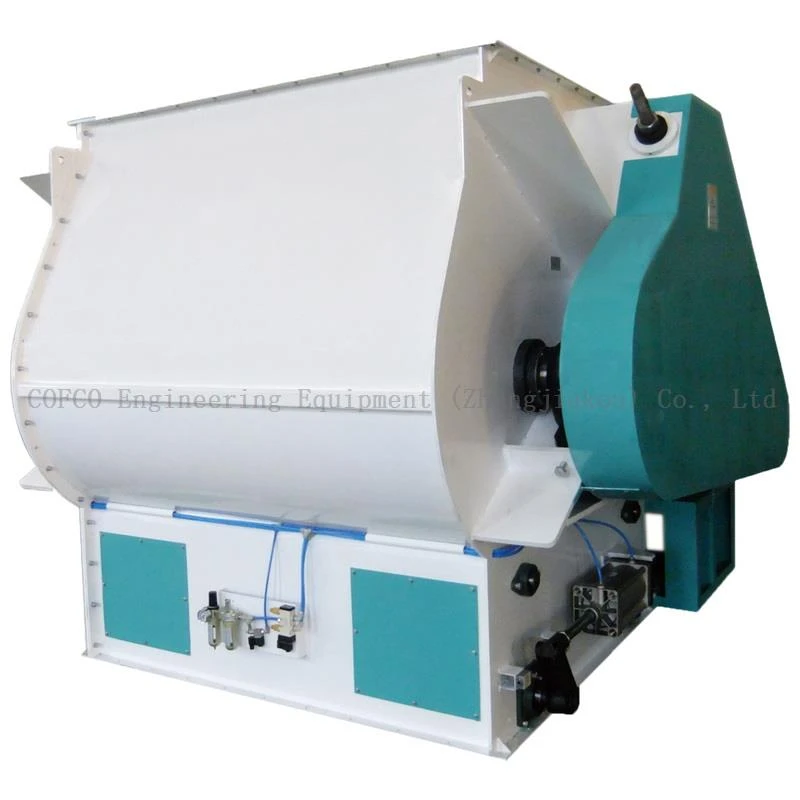
We use high – quality materials that can withstand high temperatures and the wear and tear of grain transport. Our conveyors are also easy to clean and maintain, which can save you time and money in the long run.
Commercial Grain Mill If you’re looking for a reliable partner to help you with your grain conveying needs, don’t hesitate to reach out to us. We can provide you with customized solutions based on your specific requirements. Whether you need a small conveyor for a farm or a large system for a commercial grain facility, we’ve got you covered.
References
- ASAE Standards. Agricultural and Food Engineering Standards. American Society of Agricultural and Biological Engineers.
- Beck, M. W., & Bullock, D. C. (2013). Grain drying and handling. Iowa State University Extension and Outreach.
- Hall, C. W., & Agranoff, A. (2014). Safe storage and handling of grain. Purdue Extension.
COFCO Engineering Equipment (Zhangjiakou) Co., Ltd.
As one of the most professional grain conveying equipment manufacturers and suppliers in China, we also support customized service. Please feel free to wholesale advanced grain conveying equipment for sale here from our factory. Quality products and reasonable price are available.
Address: No.4 ZhongLiang Street, high-tech industrial development zone, Zhangjiakou, Hebei, PRC
E-mail: mayihui@cofco.com
WebSite: https://www.ceeflourmill.com/
