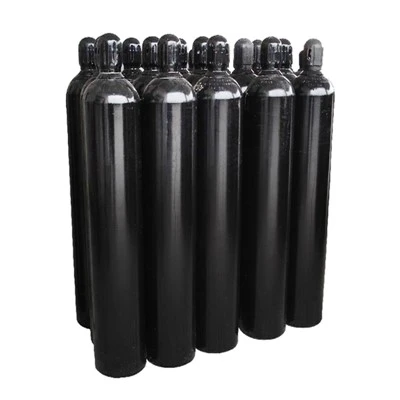
In today’s era of increasing environmental awareness and strict carbon emission regulations, the significance of CO₂ recovery devices cannot be overstated. As a supplier deeply entrenched in the industry, I’ve witnessed firsthand the transformative power of these devices in various sectors. This blog delves into the efficiency of CO₂ recovery devices, exploring their mechanisms, benefits, and real – world applications. CO₂ Recovery Device
Understanding the Basics of CO₂ Recovery Devices
CO₂ recovery devices are engineered to capture, purify, and store carbon dioxide emissions that would otherwise be released into the atmosphere. The process typically involves several key steps. First, the device captures CO₂ from industrial exhaust gases, flue gases, or other emission sources. This is achieved through various capture technologies, including absorption, adsorption, and membrane separation.
Absorption involves using a liquid solvent to selectively absorb CO₂ from the gas stream. The solvent is then heated to release the captured CO₂, which can be further processed. Adsorption, on the other hand, uses a solid adsorbent material to attract and hold CO₂ molecules. Once the adsorbent is saturated, the CO₂ can be desorbed by changing the temperature or pressure. Membrane separation relies on semi – permeable membranes that allow CO₂ to pass through while blocking other gases.
Measuring the Efficiency of CO₂ Recovery Devices
The efficiency of a CO₂ recovery device can be evaluated from multiple perspectives. One of the primary metrics is the capture efficiency, which refers to the percentage of CO₂ in the emission source that the device can successfully capture. High – efficiency devices can achieve capture rates of over 90%, meaning that they can remove more than 90% of the CO₂ from the gas stream.
Another important aspect is the energy consumption of the device. A highly efficient CO₂ recovery system should have a low energy footprint. This is crucial because energy – intensive processes can offset the environmental benefits of CO₂ capture. Modern devices are designed to optimize energy use, for example, by utilizing waste heat from industrial processes to power the CO₂ separation and purification steps.
The purity of the recovered CO₂ is also an indicator of efficiency. Depending on the intended use of the recovered CO₂, high – purity levels may be required. For instance, in food and beverage applications, the CO₂ must meet strict purity standards. An efficient recovery device can produce CO₂ with a purity of 99.9% or higher, which is suitable for a wide range of applications.
Benefits of High – Efficiency CO₂ Recovery Devices
The advantages of using high – efficiency CO₂ recovery devices are numerous. From an environmental standpoint, these devices play a vital role in reducing greenhouse gas emissions. By capturing and reusing CO₂, industries can significantly cut their carbon footprint, contributing to global efforts to combat climate change.
On an economic level, CO₂ recovery can be a lucrative business. The recovered CO₂ can be sold for various applications, such as enhanced oil recovery (EOR), where it is injected into oil wells to increase oil production. It can also be used in the food and beverage industry for carbonating beverages, in the pharmaceutical industry for drug manufacturing, and in the chemical industry for the production of chemicals.
In addition, high – efficiency CO₂ recovery devices can enhance the sustainability of industrial operations. They help companies comply with environmental regulations, which are becoming increasingly strict around the world. By investing in CO₂ recovery, companies can avoid potential fines and improve their public image as environmentally responsible businesses.
Real – World Applications and Case Studies
Let’s look at some real – world examples to illustrate the efficiency of CO₂ recovery devices. In the beverage industry, many large breweries and soft – drink manufacturers use CO₂ recovery systems. These systems capture CO₂ produced during the fermentation and carbonation processes. By recycling the CO₂, companies can reduce their reliance on external suppliers, cut costs, and ensure a stable supply of high – quality CO₂ for their products.
In the energy sector, coal – fired power plants are increasingly turning to CO₂ recovery technologies. Although the application in power plants is challenging due to the large volume of emissions, recent advancements in capture technology have shown promising results. For example, some power plants have installed advanced absorption – based CO₂ recovery units that can capture a significant portion of the CO₂ emitted during coal combustion.
In the chemical industry, CO₂ recovery is used in the production of urea, a widely used fertilizer. The recovered CO₂ is combined with ammonia to produce urea, which not only reduces the need for fresh CO₂ sources but also minimizes the environmental impact of the chemical production process.
Factors Affecting the Efficiency of CO₂ Recovery Devices
Several factors can influence the efficiency of CO₂ recovery devices. The type and composition of the emission source are crucial. Industrial processes vary widely in terms of the concentration of CO₂ in their exhaust gases, as well as the presence of other contaminants. For example, flue gases from coal – fired power plants contain not only CO₂ but also sulfur dioxide, nitrogen oxides, and particulate matter. These contaminants can interfere with the CO₂ capture process and require additional pre – treatment steps, which may reduce the overall efficiency of the device.
The operating conditions also play a significant role. Temperature, pressure, and flow rate of the gas stream can affect the performance of the capture technology. For example, absorption processes are more efficient at lower temperatures, while adsorption processes may be more effective under certain pressure conditions. Therefore, the device must be designed and optimized for the specific operating conditions of the emission source.
The quality and cost of the materials used in the device are also important factors. High – performance adsorbents, solvents, and membranes can improve the capture efficiency and selectivity, but they may also come with a higher cost. A balance must be struck between the upfront investment in high – quality materials and the long – term operational cost savings.
How Our CO₂ Recovery Devices Stand Out
As a supplier of CO₂ recovery devices, we are committed to providing high – efficiency solutions that meet the diverse needs of our customers. Our devices are designed with the latest technologies and engineering principles to ensure maximum capture efficiency, low energy consumption, and high purity of the recovered CO₂.
We offer customized solutions tailored to the specific requirements of each industry. Whether it’s a small – scale food processing plant or a large – scale power generation facility, our team of experts will work closely with you to design and install a CO₂ recovery system that is optimized for your operation.
In addition, our devices are built with durability and reliability in mind. We use high – quality materials and components that can withstand the harsh operating conditions of industrial environments. With regular maintenance and technical support, our devices can provide long – term, cost – effective performance.
Conclusion
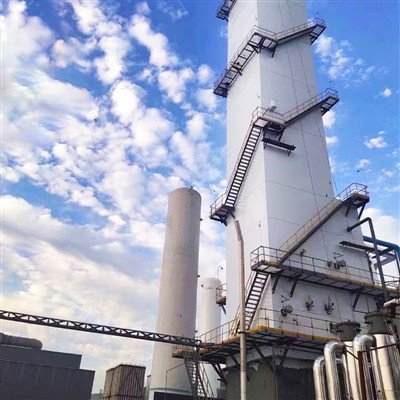
The efficiency of CO₂ recovery devices is a critical factor in determining their effectiveness in reducing greenhouse gas emissions and providing economic benefits. By understanding the mechanisms, measuring the key performance indicators, and considering the factors that affect efficiency, industries can make informed decisions when choosing a CO₂ recovery solution.
Combustion Gas Capture Device As a leading supplier in the CO₂ recovery industry, we are confident in the performance of our devices. We encourage you to explore the potential of CO₂ recovery for your business. If you are interested in learning more about our CO₂ recovery devices, or if you have any questions regarding the implementation process, please feel free to contact us for a detailed discussion. Together, we can take a significant step towards a more sustainable future.
References
- IPCC Special Report on Carbon Capture and Storage
- Chalmers, H., & Rochelle, G. T. (2006). "Cost and Performance of CO₂ Capture from Existing Coal – Fired Power Plants." Environmental Science & Technology.
- Rubin, E. S., et al. (2007). "A Review of CO₂ Capture from Coal – Fired Power Plants." Proceedings of the IEEE.
Xinxiang Jiale Intelligent Equipment Co., Ltd.
As one of the most professional co₂ recovery device manufacturers and suppliers in China, we’re featured by quality products and good service. Please rest assured to buy durable co₂ recovery device for sale here from our factory. We also accept customized orders.
Address: No.3913, 9th Floor, Unit 3, East Commercial and Office Complex, Baolong City Plaza, Hongqi District, Xinxiang City, Henan Province, China
E-mail: cc2397410@gmail.com
WebSite: https://www.jiale-asu.com/
