In the intricate world of printing, every component plays a crucial role in determining the final output quality. Among these components, the rubber roller stands out as a silent yet powerful influencer. As a seasoned rubber roller supplier, I’ve witnessed firsthand how these seemingly simple devices can make or break a printing job. In this blog post, I’ll delve into the various ways rubber rollers affect printing quality, exploring their functions, characteristics, and the importance of choosing the right ones for your specific needs. Rubber Roller
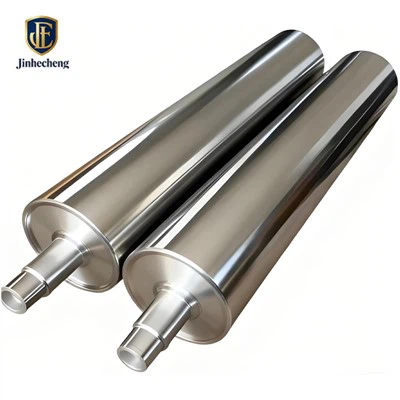
The Fundamental Role of Rubber Rollers in Printing
Rubber rollers are essential parts of most printing machines, serving multiple functions that are vital for the printing process. Their primary role is to transfer ink from the ink source to the printing plate or directly to the substrate. This transfer process must be precise and consistent to ensure that the printed image is clear, sharp, and evenly colored.
One key function of rubber rollers is to provide a uniform layer of ink. They act as an intermediary between the ink fountain and the printing surface, spreading the ink evenly across their surface before transferring it. This even distribution is critical for preventing issues such as ink starvation, where parts of the printed image appear lighter or incomplete due to insufficient ink coverage.
Another important function is to apply the right amount of pressure during the ink transfer. The rubber material of the rollers allows them to conform to the surface of the printing plate or substrate, ensuring good contact and efficient ink transfer. If the pressure is too high, it can cause the ink to spread beyond the intended area, resulting in blurred or smudged prints. On the other hand, if the pressure is too low, the ink may not transfer properly, leading to a weak or patchy image.
Impact of Rubber Roller Material on Printing Quality
The material used to make rubber rollers has a significant impact on printing quality. Different rubber compounds offer various properties such as hardness, chemical resistance, and elasticity, which can affect how the rollers perform in different printing environments.
Hardness: Rubber roller hardness is typically measured on the Shore scale. Harder rollers (higher Shore hardness) are more suitable for applications that require precise ink transfer and high pressure, such as offset printing. They can maintain their shape under pressure, ensuring consistent ink distribution and sharp image reproduction. Softer rollers (lower Shore hardness), on the other hand, are better for applications where gentle contact is required, such as letterpress printing. They can adapt to uneven surfaces and provide good ink transfer without damaging the substrate.
Chemical Resistance: Inks and solvents used in printing can be highly corrosive, so it’s essential for rubber rollers to have good chemical resistance. Rollers made from materials that are resistant to the specific inks and chemicals used in the printing process will last longer and maintain their performance over time. For example, nitrile rubber is known for its excellent resistance to oil-based inks, while silicone rubber is often used in applications involving UV-curable inks due to its high chemical and thermal stability.
Elasticity: The elasticity of rubber rollers allows them to conform to the surface of the printing plate or substrate, ensuring good contact and efficient ink transfer. Rollers with high elasticity can bounce back quickly after being compressed, which helps to prevent ink buildup and ensures consistent ink transfer from one print to the next.
Wear and Tear and Its Effects on Printing Quality
Over time, rubber rollers are subject to wear and tear due to the constant friction, pressure, and exposure to inks and chemicals during the printing process. This wear can have a significant impact on printing quality.
One of the most common signs of wear is a change in the roller’s surface texture. As the roller wears, it may develop a rough or glazed surface, which can affect ink transfer. A rough surface can cause the ink to cling unevenly to the roller, resulting in streaks or blotches in the printed image. A glazed surface, on the other hand, can reduce the roller’s ability to pick up and transfer ink, leading to poor ink coverage.
Wear can also cause the roller to lose its shape, which can result in inconsistent pressure distribution during the printing process. This can lead to problems such as uneven ink density, where some parts of the printed image are darker or lighter than others. In severe cases, a worn roller may even cause the printing machine to malfunction, resulting in costly downtime and production delays.
Importance of Proper Roller Maintenance
To ensure optimal printing quality and prolong the lifespan of rubber rollers, proper maintenance is essential. Regular cleaning is one of the most important maintenance tasks. Inks, solvents, and other contaminants can build up on the roller surface over time, affecting its performance. Cleaning the rollers after each printing job can help to prevent this buildup and ensure consistent ink transfer.
In addition to cleaning, it’s also important to store rubber rollers properly when they’re not in use. Rollers should be stored in a cool, dry place away from direct sunlight and sources of heat. They should also be stored in a horizontal position to prevent deformation.
Periodic inspection of the rollers is also crucial. Inspect the rollers for signs of wear, damage, or aging, such as cracks, cuts, or changes in surface texture. If any problems are detected, the rollers should be repaired or replaced immediately to prevent further damage to the printing machine and ensure consistent printing quality.
Choosing the Right Rubber Rollers for Your Printing Needs
As a rubber roller supplier, I understand that choosing the right rollers for your printing needs can be a challenging task. There are many factors to consider, such as the type of printing process, the type of ink and substrate used, and the specific requirements of your printing job.
When selecting rubber rollers, it’s important to work with a supplier who has extensive knowledge and experience in the printing industry. A good supplier can provide you with expert advice on the best roller material, hardness, and design for your specific application. They can also offer customized solutions to meet your unique requirements.
In addition to choosing the right rollers, it’s also important to consider the quality and reliability of the supplier. Look for a supplier who uses high-quality materials and advanced manufacturing processes to ensure that their rollers are durable, consistent, and perform well in your printing environment. A reliable supplier will also offer excellent customer service, including technical support, after-sales service, and fast delivery.
Conclusion

In conclusion, rubber rollers play a crucial role in determining the quality of printing. Their functions, material properties, wear and tear, and maintenance all have a significant impact on the final output. As a rubber roller supplier, I’m committed to providing high-quality rollers and expert advice to help you achieve the best possible printing results.
Mirror Chrome Roller If you’re looking for reliable rubber rollers for your printing business, I encourage you to reach out to me. I’d be happy to discuss your specific needs and provide you with customized solutions that meet your requirements. Let’s work together to enhance the quality of your printing and take your business to the next level.
References
- "Printing Technology Handbook" by John Smith
- "Rubber Materials and Their Applications in Printing" by Jane Doe
- "Best Practices for Rubber Roller Maintenance in Printing" by Tom Brown
Qingdao Jinhecheng Machinery Co., Ltd.
Qingdao Jinhecheng Machinery Co., Ltd. is one of the most professional rubber roller manufacturers and suppliers in China, featured by quality products and low price. Please rest assured to buy discount rubber roller made in China here from our factory. Customized orders are welcome.
Address: Aishan Industrial Park, Yanghe Town, Jiaozhou, Qingdao City, Shandong Province
E-mail: alice@jhcroller.com
WebSite: https://www.jhcroller.com/
