In the dynamic landscape of the medical industry, one question that frequently surfaces among medical consumables suppliers like myself is whether there are subsidies available for medical consumables. As a provider deeply entrenched in this sector, understanding the nuances of subsidies is crucial, as it can significantly impact both the market and our business operations. Medical Consumables
The Landscape of Medical Consumables Subsidies
Medical consumables encompass a wide range of products, from simple items like bandages and syringes to more advanced diagnostic kits and surgical instruments. Given the diverse nature of these products, the availability of subsidies varies greatly.
In many countries, governments offer subsidies to encourage the production and use of certain medical consumables. One of the primary reasons for these subsidies is to ensure public health and safety. For instance, in the case of pandemic – related medical consumables such as masks and rapid testing kits, governments around the world have intervened to provide financial support. This support helps to stabilize the market, ensuring an adequate supply of these essential items at an affordable price.
During the COVID – 19 pandemic, we witnessed numerous governments implementing subsidy programs. Some provided direct financial aid to manufacturers to increase production capacity, while others subsidized the purchase of these consumables for healthcare institutions and the general public. These measures were essential in curbing the spread of the virus by making protective and diagnostic equipment accessible to a larger population.
Factors Influencing Subsidy Availability
Several factors determine whether there are subsidies for specific medical consumables.
Public Health Priorities
The most significant factor is public health priorities. Consumables that are critical for preventing, diagnosing, and treating prevalent diseases are more likely to receive subsidies. For example, in regions with a high prevalence of diabetes, test strips and insulin syringes may be subsidized to ensure that patients can afford regular monitoring and treatment.
Technological Innovation
New and innovative medical consumables may also be eligible for subsidies. Governments often want to promote the adoption of cutting – edge technologies that can improve healthcare outcomes. If a new type of wound dressing, for example, offers better healing properties and reduces the risk of infection, there may be incentives in place to encourage its use.
Cost – effectiveness
Cost – effectiveness plays a key role in subsidy decisions. If a medical consumable can reduce long – term healthcare costs, such as by preventing hospital readmissions or improving the efficiency of medical procedures, it is more likely to be considered for subsidy programs. For example, a more expensive but reusable surgical instrument that reduces the need for single – use alternatives in the long run may be subsidized.
Impact of Subsidies on Medical Consumables Suppliers
As a medical consumables supplier, subsidies can have both positive and negative impacts on our business.
Positive Impacts
- Increased Demand: Subsidies often lead to increased demand for subsidized medical consumables. When the cost of these products is reduced for end – users, whether they are healthcare providers or patients, more people are likely to purchase them. This means more orders for suppliers, which can drive business growth.
- Stability in the Market: Subsidies can help stabilize the market price of medical consumables. By providing financial support, governments ensure that prices do not fluctuate too wildly, reducing the risk for suppliers. This stability allows us to plan our production and inventory management more effectively.
- Encouragement for Innovation: If subsidies are available for innovative medical consumables, it provides an incentive for us to invest in research and development. We can explore new materials, designs, and manufacturing processes to create products that meet the criteria for these subsidies, which not only benefits our business but also advances the medical field as a whole.
Negative Impacts
- Regulatory Burden: To access subsidies, suppliers often have to comply with a set of regulations and requirements. These can include quality control standards, reporting obligations, and price limitations. Meeting these requirements can be time – consuming and costly, especially for smaller suppliers.
- Dependency Risk: Over – reliance on subsidies can make a supplier vulnerable. If the subsidy program is terminated or reduced, it can have a significant impact on the business. For example, if a particular type of consumable has been subsidized and the government decides to stop the subsidy, the demand for that product may drop suddenly, leaving the supplier with excess inventory.
Navigating the Subsidy Landscape
As a supplier, it is essential to stay informed about the subsidy programs available in different regions. This involves closely following government announcements, engaging with industry associations, and networking with other stakeholders in the medical field.
We also need to ensure that our products meet the criteria for subsidies. This may require investing in quality control measures, obtaining relevant certifications, and conducting research to demonstrate the cost – effectiveness and public health benefits of our products.
In addition, building strong relationships with healthcare providers and government agencies is crucial. By understanding their needs and priorities, we can better position our products for subsidy eligibility. For example, if a local hospital is looking to reduce its carbon footprint, we can develop and promote eco – friendly medical consumables that may be eligible for environmental – related subsidies.
Connecting with Potential Buyers

If you are a healthcare provider, distributor, or anyone in need of high – quality medical consumables, I invite you to reach out to discuss your requirements. Whether there are subsidies available for the products you need or not, we are committed to providing cost – effective and innovative solutions.
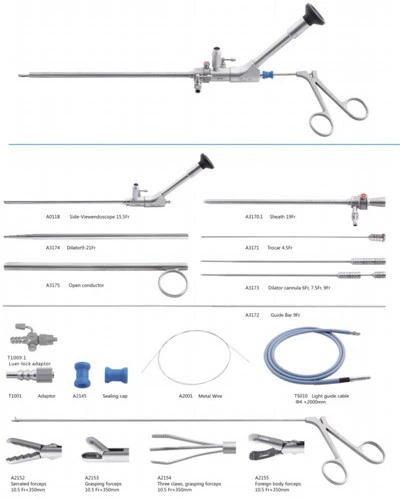
Professional Autoclave Endoscope In today’s ever – changing healthcare environment, the availability of subsidies for medical consumables is a complex but important topic. As a supplier, we must adapt to these changes, taking advantage of the opportunities that subsidies present while also being aware of the potential challenges. By staying informed, innovating, and building strong partnerships, we can ensure the continued success of our business and contribute to improving public health.
References
- World Health Organization. Guidelines on Essential Medical Supplies.
- National Institute for Health and Care Excellence (NICE). Cost – effectiveness Analysis for Medical Consumables.
- Industry reports from leading medical research firms on subsidy trends in medical consumables.
Zhejiang Jiacheng Medical Instrument Co., Ltd.
We’re well-known as one of the leading medical consumables manufacturers and suppliers in China, specialized in providing high quality customized service to global clients. Please feel free to buy discount medical consumables from our factory. Contact us for more details.
Address: Building 8, Shutai · Fuchun Innovation Park, No. 516, Majia Road, Fengchuan Subdistrict, Tonglu County, Hangzhou, Zhejiang Province, China
E-mail: Ken.huangfu@jiachengmedical.com
WebSite: https://www.jiachengmedical.com/
