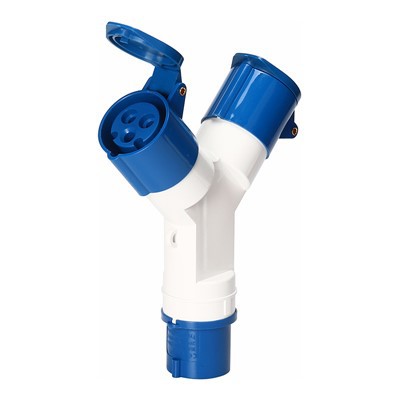
When delving into the world of stage equipment, one crucial component that often goes unnoticed but plays a vital role is the stage socket. As a seasoned supplier of stage sockets, I’ve encountered numerous clients with questions about various aspects of these products, and one query that frequently surfaces is about the power rating of a typical stage socket. In this blog post, I aim to shed light on this topic, providing comprehensive insights into what power ratings are, why they matter, and what you can expect from a typical stage socket. Stage Socket
Understanding Power Ratings
Before we dive into the specifics of stage socket power ratings, it’s essential to understand what a power rating represents. In the electrical world, power is measured in watts (W), and a power rating indicates the maximum amount of electrical power that a device can safely handle. It’s determined by the product of the voltage (V) and the current (A) flowing through the device, as per the formula P = V x I.
The power rating is a critical specification because exceeding it can lead to overheating, electrical fires, and damage to the equipment. Therefore, when selecting a stage socket, it’s crucial to choose one with a power rating that can comfortably accommodate the electrical load of the devices you intend to connect.
Factors Influencing the Power Rating of Stage Sockets
Several factors influence the power rating of a stage socket. Let’s take a closer look at some of the most significant ones:
-
Material and Construction: The materials used in the construction of a stage socket play a crucial role in determining its power rating. High-quality materials, such as copper or brass conductors, have low resistance, which allows them to carry more current without overheating. Additionally, the insulation material used in the socket must be able to withstand the heat generated by the electrical current.
-
Design and Manufacturing Standards: The design and manufacturing standards of a stage socket also impact its power rating. Sockets that are designed and manufactured to meet strict industry standards, such as those set by the International Electrotechnical Commission (IEC) or the National Electrical Manufacturers Association (NEMA), are more likely to have higher power ratings and better safety features.
-
Environmental Conditions: The environmental conditions in which a stage socket is used can also affect its power rating. For example, sockets used in high-temperature environments may have lower power ratings to prevent overheating. Similarly, sockets used in wet or humid conditions may require special insulation or sealing to prevent electrical shorts.
Typical Power Ratings of Stage Sockets
The power rating of a typical stage socket can vary depending on its type, size, and intended use. Here are some common types of stage sockets and their typical power ratings:
-
Standard Wall Sockets: Standard wall sockets, such as the ones found in most homes and offices, typically have a power rating of 15 or 20 amps at 120 volts in the United States. This translates to a maximum power of 1,800 or 2,400 watts, respectively. While these sockets can be used for small stage lighting fixtures and other low-power devices, they may not be sufficient for larger equipment.
-
Heavy-Duty Sockets: Heavy-duty sockets are designed to handle higher electrical loads and are commonly used in commercial and industrial settings, including stages. These sockets typically have power ratings of 30, 50, or even 100 amps at 120 or 240 volts. For example, a 30-amp, 120-volt socket can provide a maximum power of 3,600 watts, while a 50-amp, 240-volt socket can supply up to 12,000 watts.
-
Specialty Sockets: In addition to standard and heavy-duty sockets, there are also specialty sockets designed for specific applications, such as audio and video equipment, stage rigging, and large-scale lighting systems. These sockets may have higher power ratings and specialized features, such as locking mechanisms or surge protection.
Choosing the Right Power Rating for Your Stage Needs
When selecting a stage socket, it’s essential to choose one with a power rating that can meet the electrical requirements of your equipment. Here are some tips to help you make the right choice:
-
Determine the Total Power Consumption of Your Equipment: Before choosing a stage socket, calculate the total power consumption of all the devices you intend to connect to it. You can find the power consumption of each device on its label or in its user manual. Add up the power consumption of all the devices to get the total load.
-
Consider Future Expansion: When choosing a stage socket, it’s a good idea to consider future expansion. If you plan to add more equipment to your stage setup in the future, choose a socket with a higher power rating to accommodate the additional load.
-
Consult with a Professional: If you’re unsure about the power requirements of your equipment or which stage socket to choose, consult with a professional electrician or stage technician. They can help you assess your needs and recommend the right socket for your application.
The Importance of Safety
Safety should always be a top priority when working with electrical equipment, including stage sockets. Here are some safety tips to keep in mind:
-
Use Sockets with Proper Grounding: Ensure that all stage sockets are properly grounded to prevent electrical shocks and fires. Grounding provides a path for electrical current to flow safely into the ground in the event of a fault.
-
Inspect Sockets Regularly: Regularly inspect your stage sockets for signs of damage, such as cracks, loose connections, or overheating. Replace any damaged sockets immediately.
-
Follow Manufacturer’s Instructions: Always follow the manufacturer’s instructions when installing and using stage sockets. This includes using the correct type of plug, not overloading the socket, and avoiding using damaged cords or equipment.
Conclusion

In conclusion, the power rating of a typical stage socket can vary depending on its type, size, and intended use. Understanding power ratings and choosing the right socket for your stage needs is essential to ensure the safety and performance of your electrical equipment. As a trusted stage socket supplier, I’m committed to providing high-quality products and expert advice to help you make the right choice for your stage setup.
Multiple Outlet Socket If you’re in the market for stage sockets or have any questions about our products, please don’t hesitate to reach out. Our team of experts is here to assist you with your procurement needs and help you find the perfect solution for your stage. Contact us today to start a discussion and take the first step towards enhancing your stage equipment.
References
- Electrical Safety Foundation International. Electrical Safety When Using Stage Lighting.
- National Electrical Manufacturers Association (NEMA). Standards for Electrical Sockets and Plugs.
- International Electrotechnical Commission (IEC). International Standards for Electrical Equipment.
Zhejiang Hefeng Electric Co., Ltd.
Address: Wenzhou Daqiao Industrail Park, Beibaixiang Town, Yueqing City, Zhejiang Province, China
E-mail: hefengplug@chinahfe.com
WebSite: https://www.hfcee.com/
