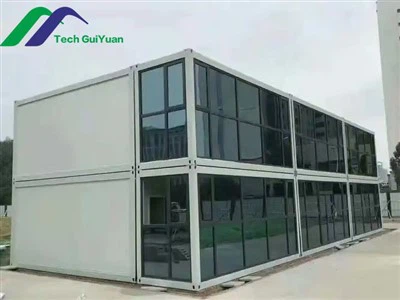
As a supplier of folding container houses, I’ve witnessed firsthand the growing demand for these compact and versatile living solutions. One of the most common concerns among potential buyers is how to make a folding container house feel more spacious. In this blog post, I’ll share some practical tips and strategies based on my experience and industry knowledge. Folding Container House
1. Smart Design and Layout
- Open Floor Plans: When designing a folding container house, opt for an open floor plan. Remove unnecessary partitions and walls to create a seamless flow between different living areas. For example, combine the living room, dining area, and kitchen into one large open space. This not only makes the house look more spacious but also enhances the sense of connectivity and interaction.
- Zoning: Even in an open floor plan, strategic zoning can be used to define different functions. Use area rugs, furniture placement, and lighting to create distinct zones for sleeping, living, and dining. For instance, place a large area rug in the living room to mark the seating area, and use pendant lights to define the dining space.
- Multi – Functional Furniture: Invest in multi – functional furniture pieces. A sofa bed can serve as a comfortable seating area during the day and a bed at night. A coffee table with built – in storage can keep clutter out of sight. You can also use Murphy beds that can be folded up against the wall during the day to free up floor space.
2. Lighting and Color Schemes
- Natural Light: Maximize the use of natural light. Install large windows and skylights in your folding container house. Natural light not only makes the interior feel brighter and more inviting but also gives a sense of openness. Position windows strategically to capture sunlight throughout the day. For example, place south – facing windows to get the most sunlight during the winter months.
- Artificial Lighting: Use a combination of ambient, task, and accent lighting. Ambient lighting provides overall illumination, such as ceiling lights or wall sconces. Task lighting is essential for specific activities like reading or cooking, such as under – cabinet lights in the kitchen. Accent lighting can be used to highlight architectural features or decorative elements, adding depth and dimension to the space.
- Light Colors: Choose light – colored paint for the walls, ceilings, and floors. Light colors reflect more light, making the space appear larger and more airy. Neutral tones like white, beige, and light gray are popular choices. You can also add pops of color through accessories like throw pillows, curtains, or artwork.
3. Storage Solutions
- Built – in Storage: Incorporate built – in storage units into the design of the folding container house. Custom – made cabinets and shelves can be installed along the walls, under the stairs (if there are any), or above the windows. These built – in storage options are not only space – efficient but also blend seamlessly with the overall design.
- Vertical Storage: Make use of vertical space. Install tall bookshelves or cabinets that reach up to the ceiling. This allows you to store more items without taking up valuable floor space. You can also use wall – mounted racks for hanging items like bicycles, tools, or coats.
- Under – Bed Storage: Beds with built – in drawers or storage compartments are a great way to utilize the space under the bed. This is especially useful in small bedrooms where floor space is limited.
4. Furniture Selection and Placement
- Scale and Proportion: Choose furniture that is appropriate in scale for the size of the folding container house. Avoid large, bulky furniture pieces that can make the space feel cramped. Opt for smaller, more streamlined furniture that still provides comfort and functionality.
- Strategic Placement: Place furniture in a way that maximizes the flow of traffic. Avoid blocking doorways or windows. Arrange furniture in a way that creates a clear path through the room. For example, in a living room, place the sofa and chairs in a semi – circular or U – shaped arrangement to encourage conversation and movement.
5. Decorative Elements
- Mirrors: Mirrors are a simple yet effective way to make a space look larger. Hang a large mirror on one of the walls, preferably opposite a window. The mirror will reflect the light and the view, creating an illusion of depth and space.
- Wall Art and Decor: Use large – scale wall art to make a statement. A single large painting or a group of smaller prints can draw the eye and add visual interest to the space. However, avoid over – cluttering the walls with too many small items.
- Plants: Incorporate plants into the interior design. Plants not only add a touch of nature and freshness but also make the space feel more alive and open. Choose plants that are suitable for indoor environments and can thrive in the limited space of a folding container house.
6. Outdoor Integration
- Patio or Deck: If space allows, add a patio or deck to the folding container house. This creates an extension of the living space and provides an area for outdoor activities. You can furnish the patio with comfortable seating and a small dining set, creating a seamless transition between the indoor and outdoor areas.
- Balcony: A balcony is another great option, especially for multi – story folding container houses. It offers a private outdoor space with a view, making the overall living experience more enjoyable and spacious.
7. Customization and Personalization
- Tailored Design: Work with a professional designer to customize the folding container house according to your specific needs and preferences. A customized design can optimize the use of space and ensure that every square foot is utilized efficiently.
- Personal Touches: Add personal touches to the interior to make it feel like home. Display family photos, heirlooms, or other meaningful items. These personal elements can create an emotional connection to the space and make it feel more inviting and spacious.
In conclusion, making a folding container house more spacious is a combination of smart design, proper furniture selection, effective storage solutions, and the use of lighting and color. By implementing these strategies, you can transform a compact folding container house into a comfortable and roomy living environment.

If you’re interested in purchasing a folding container house or have any questions about how to make it more spacious, feel free to contact us for a detailed discussion. We’re here to help you create the perfect living space that meets your needs and exceeds your expectations.
PU Sealing Rockwool Sandwich Roof Panel References
- "Container Home Living: Design, Build, and Live in Your Own Shipping Container Home" by Kieran Long
- "Small Space Living: 101 Ways to Downsize, Declutter, and Simplify Your Life" by Amy Rees Anderson
- Interior design magazines and online resources for inspiration and best practices.
Shaanxi Guiyuan Technology Co., Ltd.
As one of the leading folding container house manufacturers and suppliers in China, we warmly welcome you to buy discount folding container house from our factory. All customized products are with high quality and competitive price. Contact us for quotation.
Address: Room 1510, 15th Floor, Block A, Zhongdeng Wenjing Building, Fengcheng 9th Road, Xi’an Economic and Technological Development Zone, Shaanxi Province
E-mail: Chenlt@guiyuankj.com
WebSite: https://www.guiyuansteel.com/
